
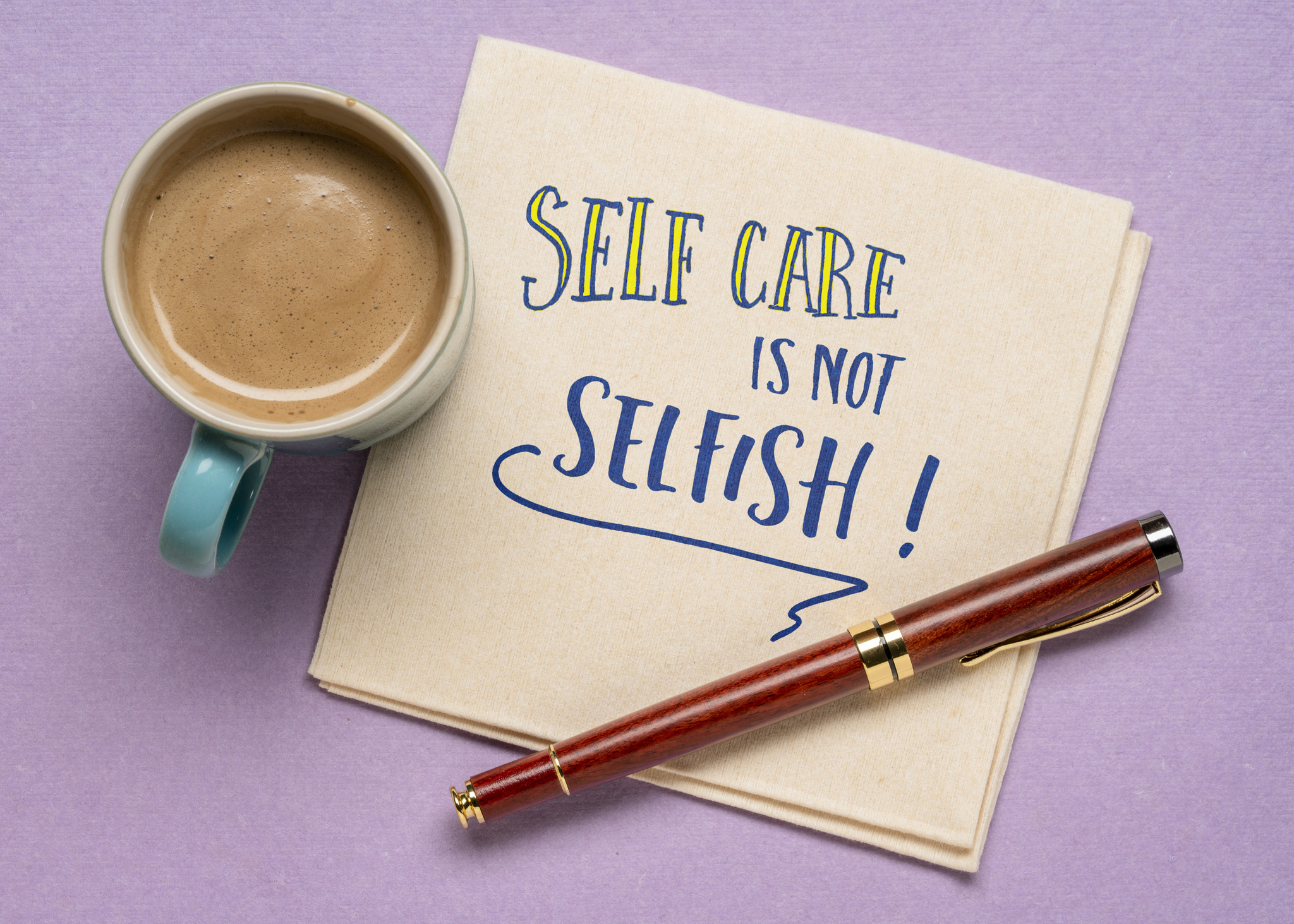
Paraprofessional work can be physically and emotionally demanding. Long days, students with high needs, modest pay and a lack of recognition can lead to stress and burnout. Managing these pressures protects your health and helps you stay effective.
This guide focuses on personal and workplace challenges: stress, workload, recognition and career growth. For classroom situations, see navigating classroom challenges.
Challenge 1: Stress and Emotional Fatigue
- Take short breaks whenever possible.
- Talk with trusted colleagues after difficult days.
- Separate work and home time.
- Seek professional support if stress lasts.
Challenge 2: Heavy Workload
- Ask for a clear list of priorities from your supervisor.
- Prepare materials in batches.
- Raise concerns early if tasks are unrealistic.
Challenge 3: Feeling Undervalued
- Keep a record of student progress you have supported.
- Share achievements in team meetings.
- Join professional groups for support staff.
Organisations such as the NEA highlight paraeducators as essential education support professionals, and the SCEA explains the value of support professionals.
Challenge 4: Limited Career Growth
- Take short courses in special education, literacy or behaviour support.
- Consider part-time study towards a teaching qualification.
- Ask your school about professional development opportunities.
The US Bureau of Labor Statistics describes career paths in its teacher assistants handbook. Read professional development for paraprofessionals.
Challenge 5: Physical Demands
- Learn safe lifting and moving techniques if your role involves personal care.
- Wear comfortable shoes.
- Stay hydrated and eat regular meals.
A Simple Wellbeing Routine
| When | Action |
|---|---|
| Before work | A calm breakfast and a quick plan for the day |
| During breaks | Step outside, drink water, stretch |
| After work | A short walk or relaxing activity |
| Weekly | One activity just for you |
Read More
See benefits and challenges of being a paraprofessional.
Final Thoughts
Managing stress, workload and recognition helps paraprofessionals stay healthy and effective. Look after yourself, ask for clarity, build your skills and connect with others in the profession.

