
A 2.9 GPA is slightly below the 3.0 that many graduate programmes list as a minimum or a preferred score. But a 2.9 does not automatically close the door to graduate school. Admissions committees look at the whole application, and there are proven ways to strengthen yours.
This guide explains how graduate admissions work, what a 2.9 GPA means for your chances, and five practical steps to improve them.
How Much Does GPA Matter?
GPA is one important factor, but most programmes also consider:
- test scores, if required (such as the GRE or GMAT)
- your statement of purpose
- letters of recommendation
- research, work or professional experience
- grades in courses related to your field
- your grade trend over time
Some programmes have strict cut-offs; others review every application in full. Always check each programme’s website or ask the admissions office.
Tip 1: Choose Programmes Wisely
- look for programmes that list a 2.75 or lower minimum, or no fixed minimum
- consider programmes that value work experience, such as many professional master’s degrees
- look beyond the most famous names; many strong universities are less competitive
- ask whether a programme offers conditional or provisional admission
Tip 2: Show Strength in Other Areas
Test scores
If your programme accepts or requires a test, a strong score can balance a lower GPA. ETS provides official information and free practice materials for the GRE General Test. Note that many programmes have made tests optional, so check before you prepare.
Relevant grades
If your grades in your major or your final two years are higher than your overall GPA, point this out.
Tip 3: Write a Strong Statement of Purpose
- explain clearly why you want this programme and what you will bring
- briefly and honestly explain any reasons for lower grades, such as illness, family duties or working while studying, without making excuses
- show what you have done since to grow, such as work, courses or research
- be specific about your goals
For help with clear academic writing, the Purdue Online Writing Lab is a useful free resource.
Tip 4: Get Strong Recommendation Letters
Ask professors or employers who know your work well and can speak about your abilities, effort and growth. Give them your CV, statement and deadlines in advance.
Tip 5: Build Your Record Before Applying
- take extra courses and earn high grades to show recent ability
- gain relevant work or research experience
- earn professional certificates related to your field
- publish, present or complete projects if possible
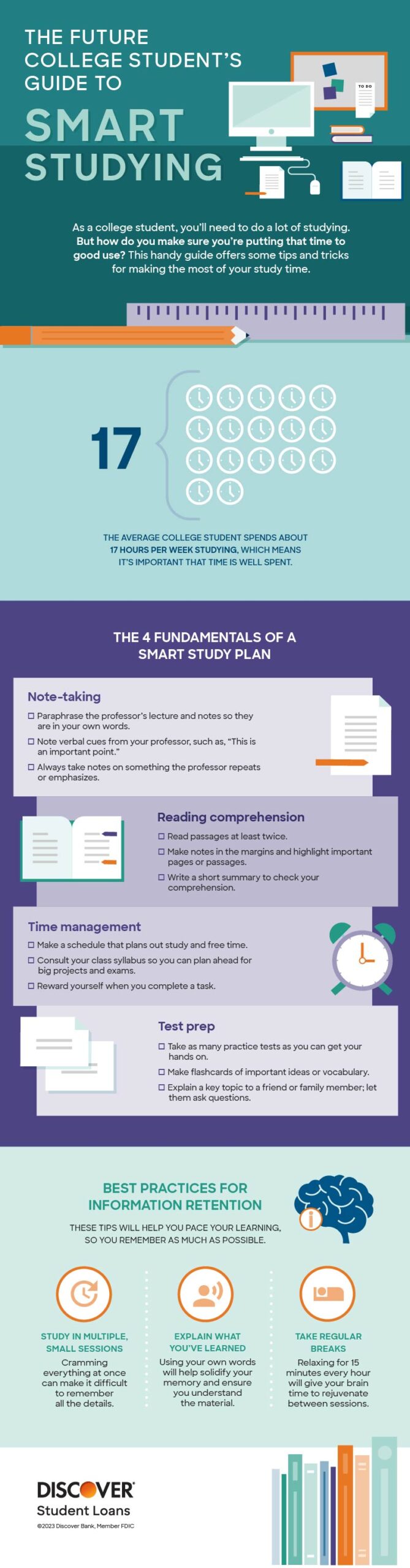
Good study habits help if you take extra courses. See effective study techniques for college students.

For Students From Bangladesh and Abroad
If your grades use a different scale, programmes may convert them or ask for a credential evaluation. For free advice on US graduate study, students in Bangladesh can contact EducationUSA Dhaka. To compare funding options, read our guide to full scholarships to study abroad.
Other Options to Consider
- graduate certificates that can later count towards a master’s
- post-baccalaureate courses to raise your academic record
- online or part-time master’s programmes
For an overview of study options after your first degree, see what is post-secondary education.
Frequently Asked Questions
Is a 2.9 GPA good enough for graduate school?
It is below many programmes’ preferred 3.0, but many applicants with a 2.9 are admitted, especially with strong experience, test scores or recommendations.
Should I explain my GPA in my application?
If there were real reasons, a short, honest explanation can help. Focus mostly on what you have achieved since.
Key Takeaways
- A 2.9 GPA does not rule out graduate school.
- Choose programmes that review applications in full.
- Strengthen tests, statement, recommendations and experience.
- Extra courses and certificates can show recent ability.
