
When exams are near, many students stop playing sports or going outside so they can study more. But physical activity is not a distraction from learning. It supports health, mood and concentration, all of which affect academic performance.
This guide explains how physical activity relates to learning, how much activity young people need, and easy ways to stay active during busy study periods.
How Much Activity Do Young People Need?
The World Health Organization recommends that children and adolescents aged 5–17 do an average of at least 60 minutes a day of moderate-to-vigorous physical activity, mostly aerobic, across the week. Vigorous activities and muscle- and bone-strengthening activities should be included at least three days a week. See the WHO guidelines on physical activity.
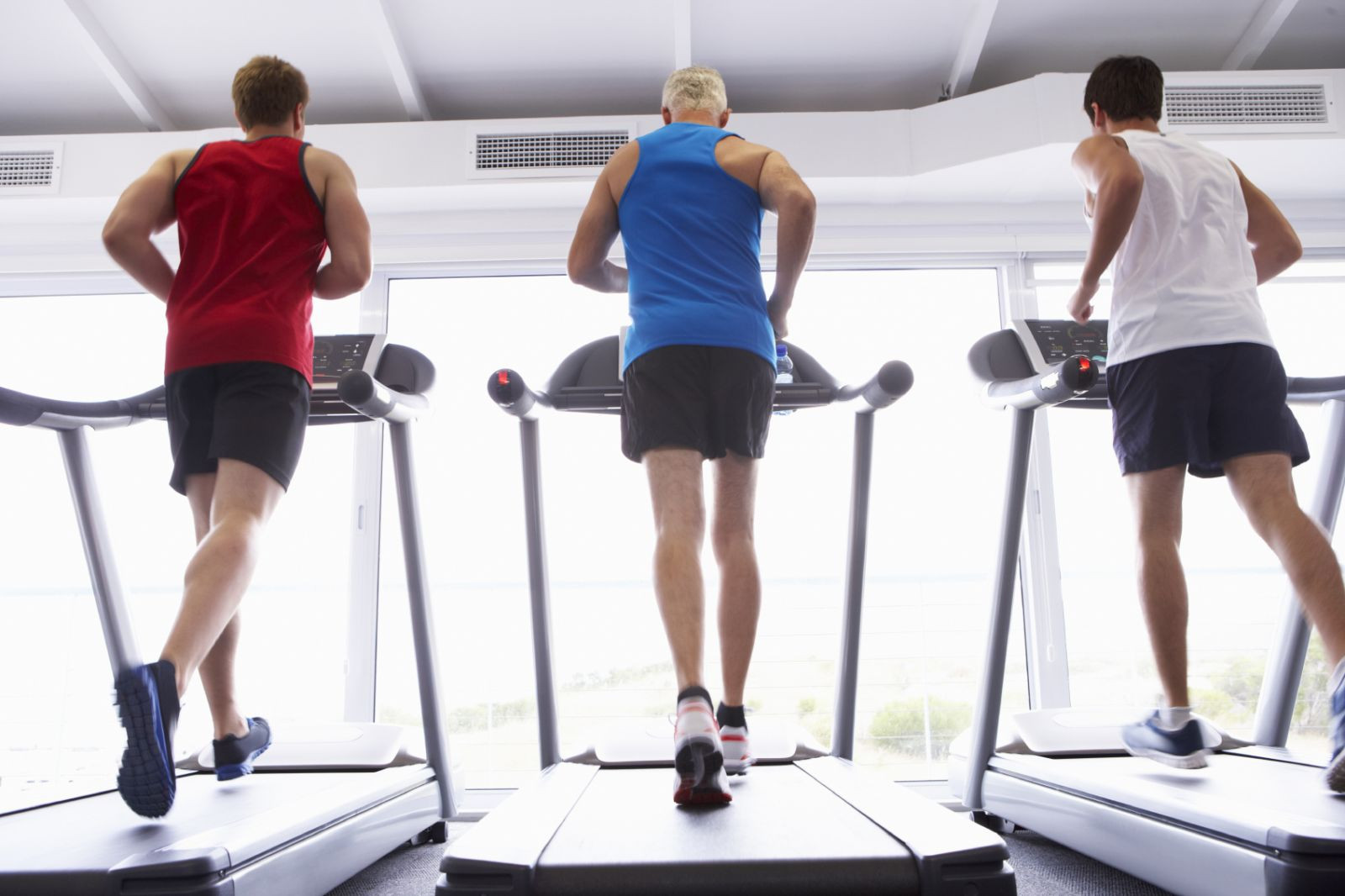
How Activity Can Support Learning
- Better mood: exercise can reduce stress and anxiety.
- More energy: regular activity helps you feel less tired.
- Better sleep: active days often lead to better sleep, which supports memory.
- Focus: a short walk or stretch can refresh concentration between study sessions.
Sleep and Activity Work Together
Teenagers need about 8–10 hours of sleep a night, according to the CDC. Being active during the day, and not too close to bedtime, can help you sleep better.
Easy Ways to Stay Active
| Time available | Activity |
|---|---|
| 5 minutes | Stretching, stairs, jumping jacks between study blocks |
| 15–20 minutes | Brisk walk, skipping rope |
| 30–60 minutes | Cricket, football, badminton, cycling, swimming |

Activity During Exam Season
- Keep a short daily walk, even on busy days.
- Use active breaks: 5 minutes of movement after each study block.
- Walk while reviewing flashcards.
For Parents and Schools
Encourage outdoor play, school sports and walking to school where safe. Physical education is part of a complete education, not a waste of study time.
Read More
See the importance of self-care, ways to combat burnout and the best studying methods. For more research-based tips, see the US IES on studying effectively.
Final Thoughts
Physical activity supports the mood, energy and sleep that learning depends on. Aim for about 60 minutes a day, use active study breaks, and keep moving even during exam season.

