The SSC exam is one of the biggest milestones in a Bangladeshi student’s life. Your results affect which college you can join, which stream you can choose and even some scholarships. It is normal to feel nervous.
The good news is that SSC success is not about studying 14 hours a day. It is about starting early, following a clear plan, using smart study methods and looking after your health.
This guide gives you a simple, step-by-step SSC preparation plan, from the months before the exam to the exam day itself.
Step 1: Know Your Syllabus and Exam Pattern
- Get the latest syllabus for your board and group (Science, Business Studies or Humanities). Your school and education board announce any changes.
- Understand the marks split for each subject, including MCQ, creative (written) and practical parts.
- Remember that you usually need to pass the creative, MCQ and practical parts separately.
- Collect past board questions and test papers from your school.
Step 2: Make a Realistic Study Plan
Divide your time into three phases:
| Phase | When | Focus |
|---|---|---|
| Learning phase | 6 to 4 months before | Finish all chapters; understand concepts |
| Revision phase | 4 to 1 months before | Revise every subject at least twice; practise questions |
| Final phase | Last month | Model tests, weak areas, formulas and key facts |
Plan each week with specific goals, such as “Finish Physics Chapter 5 and 30 MCQs”. For help planning your time, see managing time effectively during exams.
Step 3: Build a Daily Routine
A simple routine for school days might look like this:
- Morning (30 to 60 minutes): revise formulas, vocabulary or a short chapter.
- After school: rest, eat and take a short walk.
- Evening (2 to 3 hours): two or three focused study blocks with short breaks.
- Before bed: quick review of what you learned today.
On holidays, add longer sessions, but always include breaks.
Step 4: Use Smart Study Methods
Test yourself
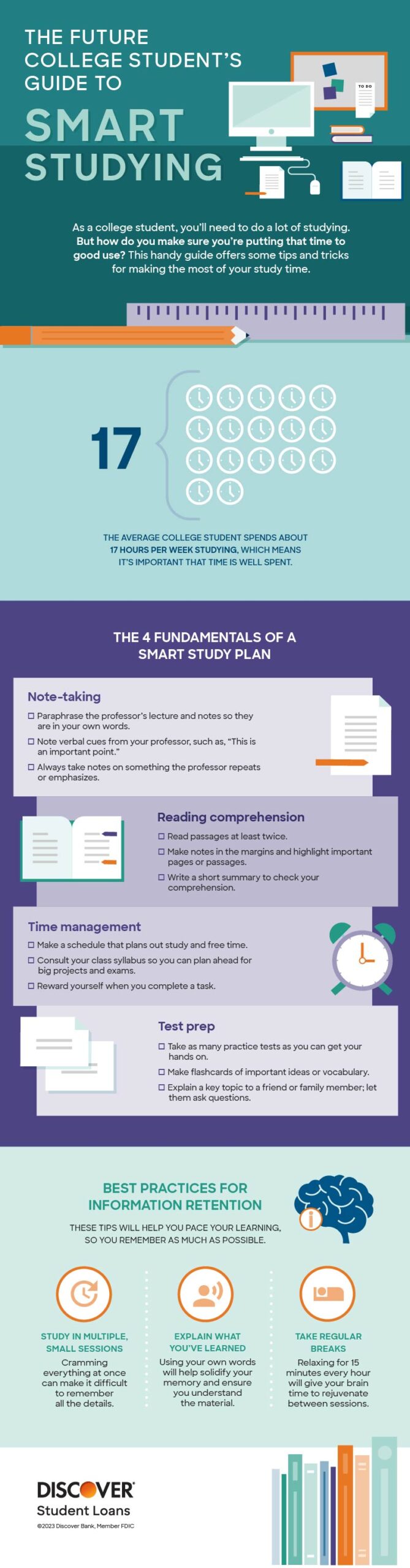
Reading the book again and again feels useful but is not the best method. Testing yourself is much more powerful. UC San Diego’s psychology department explains how retrieval practice works: closing the book and trying to recall information strengthens memory.
- answer MCQs without looking at the book
- write answers to creative questions from memory
- explain a topic aloud as if teaching a friend
Space your revision
Revise each topic several times over weeks, not once just before the exam.
Mix subjects
Study two or three subjects each day so you do not forget the others.
For more methods, read how to study smartly for exams.
Step 5: Subject-by-Subject Tips
Bangla and English
- practise grammar regularly, not only in the last week
- write paragraphs, letters and compositions by hand and time yourself
- learn the structure of common essays. See our model traffic jam paragraph for an example.
Mathematics and Higher Math
- solve problems every day
- keep a notebook of formulas and common mistakes
- practise past board questions under time limits
Science subjects
- understand concepts before memorising
- practise diagrams and labelling
- prepare well for practical exams
Business and humanities subjects
- make short notes and mind maps
- practise writing structured answers with points
- learn key definitions and dates accurately
Step 6: Practise Model Tests
- take full model tests under exam conditions
- check your answers honestly and note weak areas
- practise filling the OMR sheet correctly
- work on time management: do not spend too long on one question

Step 7: Look After Your Health
Your brain needs rest to work well. The US CDC notes that many students do not get enough sleep, which can affect health and school performance.
- sleep 8 to 10 hours a night if you can
- eat regular, healthy meals and drink water
- move your body every day, even a short walk
- limit social media, especially at night
- talk to someone you trust if you feel stressed
Step 8: The Exam Day
Each year, education boards issue instructions for candidates. For SSC 2026, as reported by Prothom Alo, candidates were told to:
- be in the exam room at least 30 minutes before the start
- collect the admit card from their institution in advance
- fill in roll, registration and subject code on the OMR sheet carefully
- not bring mobile phones into the exam centre
- use only board-approved calculators
Always follow the latest instructions from your board and school.
Exam day checklist
- admit card and registration card
- pens, pencils, eraser, scale and approved calculator
- water bottle and a light snack if allowed
- a calm mind: read every question carefully before answering
Common Mistakes to Avoid
- starting serious revision too late
- only reading, without testing yourself
- ignoring weak subjects
- staying up all night before the exam
- comparing yourself with friends
A Note for Parents
Parents can help by keeping the home calm, making sure children eat and sleep well, and offering encouragement rather than pressure.
Frequently Asked Questions
How many hours should I study for SSC?
Focus on quality. Many students do well with 4 to 6 focused hours on holidays and 2 to 3 hours on school days, with breaks.
Is it too late to start one month before?
No. Focus on important chapters, past questions and model tests, and look after your health.
How can I stop forgetting what I study?
Test yourself, revise in spaced sessions and sleep well.
Key Takeaways
- Start early and divide preparation into learning, revision and final phases.
- Use self-testing and spaced revision, not just re-reading.
- Practise model tests and OMR sheets under exam conditions.
- Sleep, eat well and follow official exam-day instructions.

