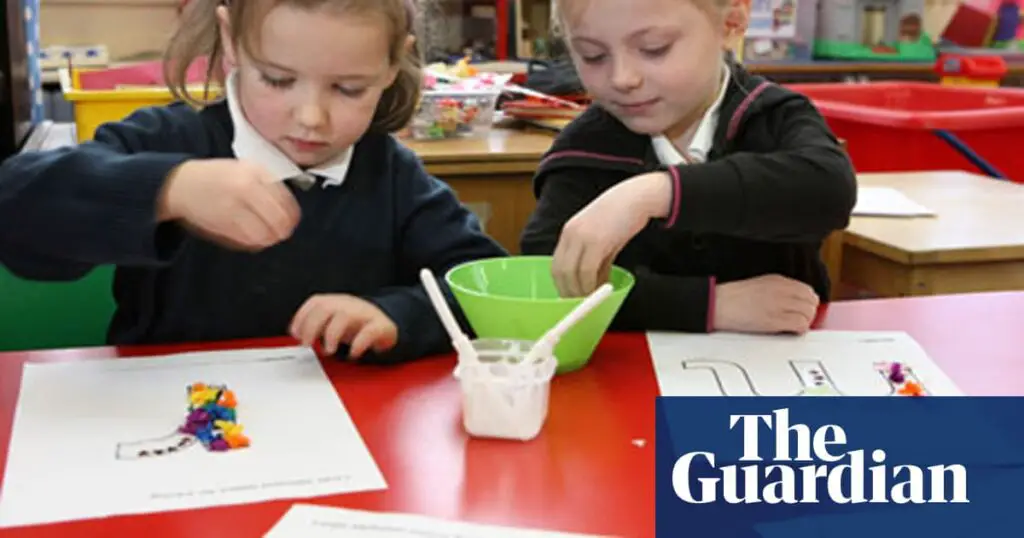
Grammar lessons do not have to be boring. When students use grammar in games and real tasks, they remember it far better than when they only copy rules from the board.
Here are ten fun and creative activities that get students using grammar actively. Most need little or no preparation, and they work with children, teenagers and adults. Each one includes the grammar point it suits best and simple steps to run it.
1. Grammar Auction
Best for: reviewing errors.
Give teams a list of sentences, some correct and some wrong, and pretend money (for example, 1,000 taka each). Teams “bid” on sentences they think are correct. At the end, reveal the answers. The team with the most correct sentences wins. Discuss why each wrong sentence was wrong.
2. Running Dictation
Best for: any structure in a short text.
Stick a short text on the wall outside the classroom or at the back. One student runs, reads and remembers a line, then comes back and dictates it to a partner, who writes it down. They swap roles. When finished, students compare with the original and highlight the target grammar.

3. Find Someone Who…
Best for: question forms and the present perfect.
Give each student a sheet of prompts, such as “…has been to Sylhet” or “…can play the guitar”. Students walk around asking Have you ever been to Sylhet? Can you play the guitar? and write classmates’ names.
4. Sentence Scramble Race
Best for: word order, adverb position and questions.
Cut sentences into word cards. Teams race to put them in the correct order. The first team to read a correct sentence wins a point. This is great practice for sentence structure.
5. Story Chain
Best for: past tenses and conditionals.
Start a story with one sentence. Each student adds one more sentence using the target structure, for example past tenses (Then he opened the door…) or conditionals (If he had opened the door, he would have…).
6. Two Truths and a Lie
Best for: used to, past simple, present perfect.
Students write three sentences about themselves: two true and one false. Classmates ask questions and guess which one is the lie.
7. Grammar Board Game
Best for: mixed revision.
Draw a simple board with prompts on each square (for example, “say a sentence in the past continuous”). Students roll a dice, move, and make a correct sentence to stay on the square. If the sentence is wrong, they go back.
8. Mime and Guess
Best for: present continuous.
One student mimes an action. Others guess using the present continuous: You’re brushing your teeth! You’re riding a bicycle! Young learners especially love this.
9. Error Correction Relay
Best for: common mistakes.
Write sentences with mistakes on the board. Team members take turns running up to correct one. Use real errors from students’ own work, but keep them anonymous. Our list of common grammar mistakes is a good source of examples.
10. Song and Video Gap-Fills
Best for: listening plus any structure.
Choose a short, classroom-friendly clip or song that uses a target structure. Remove some words from the transcript. Students listen and fill the gaps, then discuss why that form was used.
Tips for Success
- Keep games short and focused on one grammar point.
- Model the activity first with one example.
- Make sure every student gets a turn, not just the fastest.
- Finish with a quick review of the correct forms.
- Mix games with clear explanation and practice; fun supports learning but does not replace it.
For lesson structure and correction tips, read our guide to teaching grammar to ESL learners.
Free Resources for Teachers
The British Council’s LearnEnglish grammar lessons give you ready examples for each point. Purdue OWL’s grammar guide is useful for checking rules, and its grammar exercises make good follow-up homework.
Final Thoughts
Fun grammar activities turn passive learners into active ones. Choose one activity that matches your grammar point, keep it short, and finish with a clear review. Your students will enjoy grammar and remember it longer.