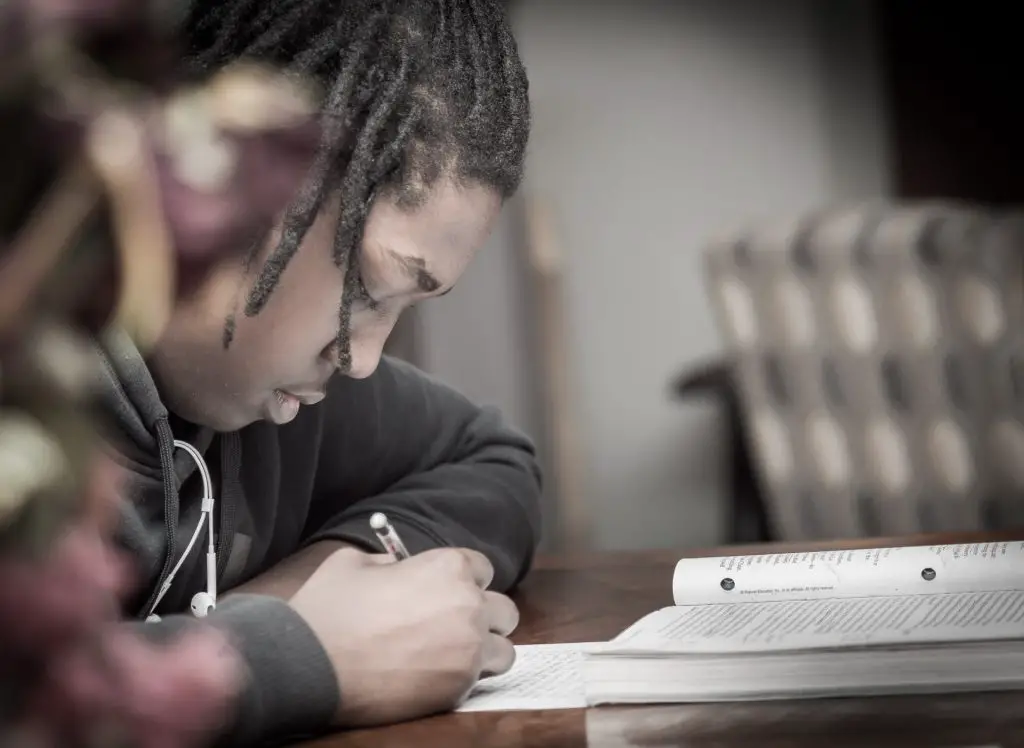
Everyone makes grammar mistakes, even native speakers. The good news is that most learners make the same small set of errors again and again. Fix these, and your English instantly looks more correct and confident.
This guide lists 12 of the most common English grammar mistakes, especially those made by Bangladeshi and South Asian learners. Each one comes with a simple rule, a wrong and right example, and a quick tip.
1. Missing -s in the Third Person
Wrong: She go to college every day.
Right: She goes to college every day.
Rule: In the present simple, add -s or -es for he, she and it. Read more about subject-verb agreement.
2. Using Present Perfect With a Finished Time
Wrong: I have met him yesterday.
Right: I met him yesterday.
Rule: Use the past simple with finished times like yesterday, last week or in 2022.
3. Leaving Out Articles
Wrong: He is doctor.
Right: He is a doctor.
Rule: Singular countable nouns usually need a, an or the. See our full guide on how to use a, an and the.

4. “I Am Agree”
Wrong: I am agree with you.
Right: I agree with you.
Rule: Agree is a verb, so you do not need am.
5. Wrong Question Word Order
Wrong: Where you are going?
Right: Where are you going?
Rule: In questions, put the helping verb before the subject.
6. Uncountable Nouns With -s or A/An
Wrong: She gave me many informations. / He gave me an advice.
Right: She gave me a lot of information. / He gave me some advice.
Rule: Words like information, advice, furniture, equipment and luggage have no plural and no a/an.
7. Confusing Its and It’s
Wrong: The cat licked it’s paw.
Right: The cat licked its paw.
Tip: It’s means it is or it has. If you cannot replace it with it is, write its.
8. Your and You’re, Their and There
Wrong: Your welcome. / Their is a problem.
Right: You’re welcome. / There is a problem.
Tip: You’re = you are. Their = belonging to them. There = a place, or used in “there is/are”.
9. Double Comparatives
Wrong: This book is more better.
Right: This book is better.
Rule: Use either -er or more, never both.
10. “Discuss About” and Other Extra Prepositions
Wrong: We discussed about the problem. / He entered into the room.
Right: We discussed the problem. / He entered the room.
Rule: Some verbs, like discuss, enter, reach and marry, take an object directly without a preposition.
11. Wrong Preposition of Time
Wrong: I was born on 2005. / See you in Monday.
Right: I was born in 2005. / See you on Monday.
| Use | For | Examples |
|---|---|---|
| in | years, months, seasons, parts of the day | in 2025, in June, in the morning |
| on | days and dates | on Friday, on 16 December |
| at | clock times and short periods | at 5 pm, at night, at the weekend (UK) |
12. Run-On Sentences and Comma Splices
Wrong: It was raining, we stayed home.
Right: It was raining, so we stayed home. or It was raining. We stayed home.
Rule: Do not join two full sentences with only a comma. Use a full stop, a semicolon or a joining word.
Quick Checklist Before You Submit Writing
- Does every he/she/it verb have -s in the present?
- Did you use past simple with finished times?
- Do singular nouns have an article?
- Are questions in the right order?
- Did you check its/it’s, your/you’re and their/there?
- Is every sentence complete, with no comma splices?
How to Stop Making These Mistakes
- Keep an error list. Write down mistakes your teacher corrects and review them weekly.
- Read more English. Correct patterns become natural when you see them often.
- Practise one rule at a time with short exercises.
- Proofread aloud. Many errors are easier to hear than to see.
Free Practice Resources
- British Council LearnEnglish grammar lessons by level.
- Purdue OWL’s grammar guide for clear explanations.
- Purdue OWL’s grammar exercises to check your progress.
Practice
Correct these sentences:
- He don’t know the answer.
- We discussed about the exam.
- I need an information.
- The dog wagged it’s tail.
Answers: 1. doesn’t 2. discussed the exam 3. some information 4. its
Final Thoughts
Most grammar mistakes come from a small number of rules. Learn these 12, use the checklist when you write, and practise a little every day. For a complete foundation, read our guide to basic English grammar rules.