
Early childhood education comes in many forms. Some programmes focus on free play. Others follow a set method with special materials. Some are run by governments for low-income families, and others are private.
Knowing the main types of programmes helps parents choose wisely and helps new teachers understand the field.
This guide explains the core programmes of early childhood education, grouped by who runs them and by teaching approach, with the pros and cons of each.
Part 1: Programmes by Who Runs Them
Public pre-primary and pre-K
Many countries offer one or two years of free or low-cost pre-primary education in government schools. These classes prepare children for Class 1.
Targeted programmes for disadvantaged children
Some programmes focus on children from low-income families. A well-known example is Head Start in the United States. According to the US Administration for Children and Families, Head Start and Early Head Start serve children from birth to age five and combine early learning with health services and support for families. Head Start began in 1965.
Private preschools and kindergartens
Run by individuals, companies or chains. Quality and cost vary widely.
Childcare and day-care centres
Full-day programmes for working parents, often taking babies and toddlers.
Community and NGO programmes
Low-cost centres in villages, slums or refugee settings, often with health and nutrition support.
Home visiting programmes
Trained workers visit families to support parenting and early learning at home.
Part 2: Programmes by Teaching Approach
| Approach | How it works | Suits children who… |
|---|---|---|
| Play-based | Children learn mainly through free and guided play | Learn best by exploring and doing |
| Montessori | Child-chosen activities with special hands-on materials, mixed ages | Like independence and working at their own pace |
| Reggio Emilia | Long projects based on children’s interests, with art and documentation | Are curious and creative |
| HighScope | Daily plan-do-review routine with active learning | Benefit from structure plus choice |
| Waldorf (Steiner) | Imaginative play, rhythm, nature and arts | Enjoy stories, music and outdoor play |
| Academic or structured | Teacher-led lessons on letters and numbers | Need clear routines, but too much can reduce play |
National frameworks also guide what children learn. England’s Early Years Foundation Stage, for example, is built on four themes. See the 4 themes of early childhood education.
What the Research Says
Research on long-running programmes shows that high-quality early education can have lasting benefits. A University of Chicago study led by economist James Heckman found that two intensive birth-to-five programmes in North Carolina produced returns of about 13% per child per year on their costs.
The key word is quality. The approach matters less than whether children have warm, skilled teachers and rich play. Reading Rockets shares NAEYC’s 10 signs of a great preschool class, which apply to any approach.
Core Content Found in Most Programmes
- Language and literacy: stories, songs, conversation, letters
- Early maths: counting, shapes, patterns, measuring
- Science and the world: nature, weather, animals, simple experiments
- Creative arts: drawing, painting, music, dance, pretend play
- Physical skills: running, climbing, using hands
- Social and emotional learning: sharing, feelings, friendships
- Health and self-care: hand-washing, eating, toileting
How to Choose a Programme
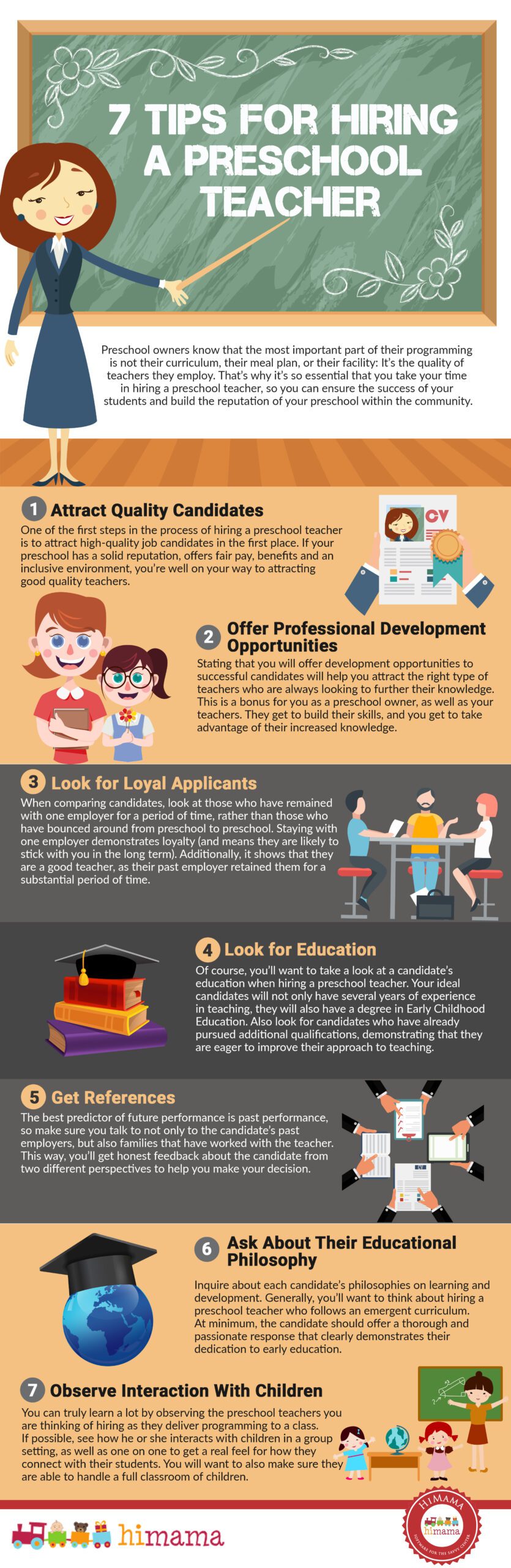
- Visit and watch a class in action.
- Ask about teacher training and group sizes.
- Check that children play a lot and look happy.
- Think about cost, distance and hours.
- Choose the approach that fits your child, not just the most famous name.
Our checklist for choosing an early childhood education centre walks you through each step. If you want to work in one of these programmes, see the requirements for early childhood education.
Frequently Asked Questions
Which programme is best?
There is no single best programme. High quality, warm teachers and plenty of play matter more than the label.
Is Montessori better than play-based?
Both can be excellent. Montessori suits children who enjoy independent work; play-based suits many children well. Visit both if you can.
Should preschool be academic?
Some structure helps, but most experts recommend lots of play. Too much formal teaching too early can reduce interest in learning.
Key Takeaways
- ECE programmes differ by who runs them and how they teach.
- Common approaches include play-based, Montessori, Reggio Emilia, HighScope and Waldorf.
- High-quality programmes can bring long-lasting benefits.
- Visit, ask questions and choose what fits your child.

