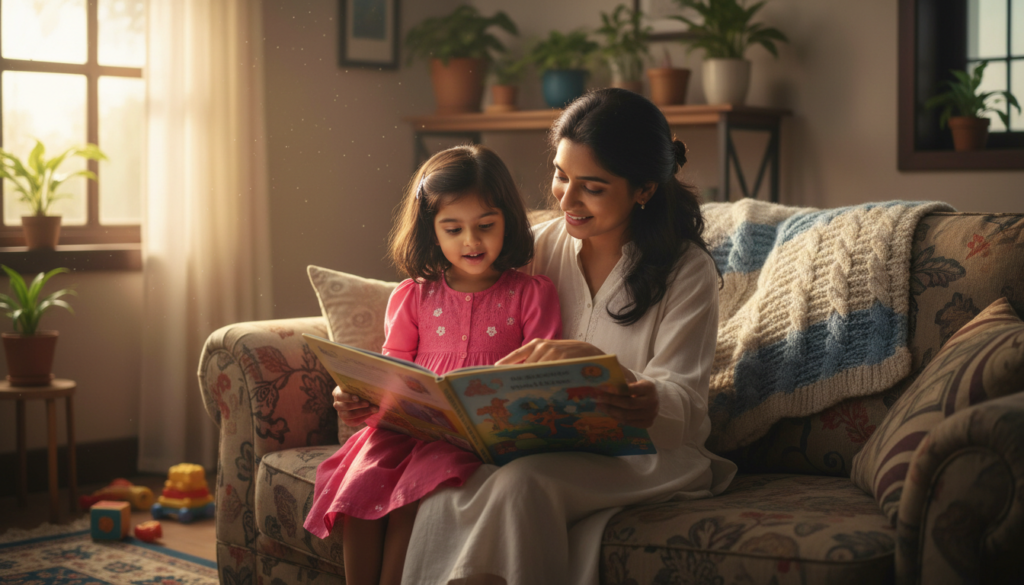
Choosing a preschool, nursery or early childhood education centre is one of the first big education decisions parents make. A good centre helps your child feel safe, make friends and enjoy learning. A poor one can leave a young child anxious and unhappy.
The good news is that you do not need to be an expert to spot quality. If you know what to look for and what to ask, a single visit tells you a lot.
This checklist will help you compare centres and choose with confidence.
Why the Early Years Matter
The brain grows faster in the first five years than at any other time. Harvard’s Center on the Developing Child explains how warm, responsive interactions with adults help build brain architecture. A good centre gives children many of these interactions every day.
To understand how young children learn through play, see our guide to the preschool learning process.
Step 1: Check the Basics
- Licence or registration: is the centre registered with the right authority? Ask to see any inspection report.
- Location and hours: do they fit your work and travel?
- Cost: what is included, and what are the extra fees for meals, uniforms, trips or materials?
- Support: check if you can get help with costs. For example, Indian central government employees may be able to claim Children Education Allowance for nursery.
Step 2: What to Look For on a Visit
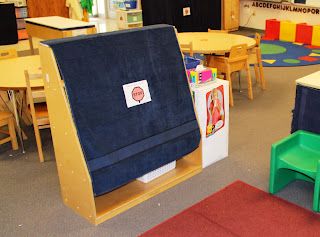
The National Association for the Education of Young Children (NAEYC) created a well-known list of signs of a great class for 3 to 6 year olds, published by Reading Rockets as 10 signs of a great preschool class. Key points include:
- Children spend most of their time playing and working with materials or each other, not sitting still for long.
- Many different activities are available at once.
- Teachers work with individual children, small groups and the whole group.
- Children’s own art and writing are on the walls.
- Letters and numbers are learned through daily life, like cooking or snack time, not worksheets.
- Children play outside every day.
- Teachers read to children often, not only at story time.
- Children seem happy and want to come.
Step 3: Watch the Teachers
- Do they kneel or sit at the child’s level?
- Do they speak warmly and calmly?
- Do they answer children’s questions and ask questions back?
- How do they handle a crying or upset child?
- Are there enough adults for the number of children?
Step 4: Check Safety and Health
- Secure entry and a clear pick-up policy
- Clean toilets and hand-washing stations
- Safe play equipment and outdoor space
- A first-aid kit and staff trained in first aid
- Clear policies on illness, allergies and medicines
- Healthy meals and snacks, if provided
Step 5: Questions to Ask the Centre
- What training and qualifications do your teachers have?
- How many children are in each group, and how many adults?
- What does a typical day look like?
- How do you help new children settle in?
- How do you handle behaviour problems?
- How will you keep me informed about my child’s day and progress?
- How do you support children with special needs?
- What is your staff turnover like?
Red Flags to Watch For
- Children sitting at desks doing worksheets for long periods
- Shouting, harsh punishment or children left alone
- Dirty or unsafe rooms and toilets
- Staff who seem rushed, stressed or uninterested
- Parents not allowed to visit or see the rooms
- Vague answers about fees, safety or staff training
Comparing Centres: A Simple Score Sheet
| Area | Centre A | Centre B | Centre C |
|---|---|---|---|
| Licence and safety | |||
| Warmth of teachers | |||
| Play-based learning | |||
| Outdoor space | |||
| Communication with parents | |||
| Cost and hours |
Score each from 1 to 5 after your visit. The highest total is not always the winner, but it helps you think clearly.
After You Choose
- Visit together before the first day.
- Start with shorter days if possible.
- Say goodbye calmly and keep it short.
- Talk with teachers often in the first weeks.
Why It Matters Beyond Your Family
UNICEF describes early childhood development as a key catalyst for wider development goals. Good early education helps children start school ready to learn.
Looking for a centre that also offers tutoring for older children? Read about child education centres and what they offer.
Key Takeaways
- Check licence, cost, hours and safety first.
- Look for play-based learning, warm teachers and happy children.
- Ask clear questions about staff, group sizes and communication.
- Watch for red flags like worksheets, harsh discipline and unsafe spaces.