
In many schools, special education and general education still work as separate worlds. Inclusive education aims to bring them together, so students with disabilities learn alongside their peers with the right support.
This guide explains the background to inclusion, co-teaching models, practical strategies that bridge the gap, and the benefits and challenges of inclusive classrooms.
The Background
In the USA, the Individuals with Disabilities Education Act (IDEA) requires that students with disabilities be educated in the least restrictive environment: alongside students without disabilities to the maximum extent appropriate. See the US Department of Education’s IDEA page. Internationally, the UN Convention on the Rights of Persons with Disabilities also supports inclusive education, and many countries, including Bangladesh, have inclusive education policies.
Co-Teaching Models
| Model | How it works |
|---|---|
| One teach, one assist | One leads; the other circulates and supports. |
| Station teaching | Students rotate between stations led by each teacher. |
| Parallel teaching | The class is split; each teacher teaches the same content to a smaller group. |
| Alternative teaching | One teacher works with a small group for re-teaching or extension. |
| Team teaching | Both teachers lead instruction together. |
Strategies That Bridge the Gap
- Shared planning time for general and special educators.
- Universal Design for Learning, so lessons are accessible from the start; see the CAST UDL Guidelines.
- Clear accommodations agreed by the team; Reading Rockets explains accommodations and modifications.
- Joint training on inclusion and positive behaviour support.
- Peer support and cooperative learning.
- Family partnership in planning and review meetings.
The Role of Paraprofessionals
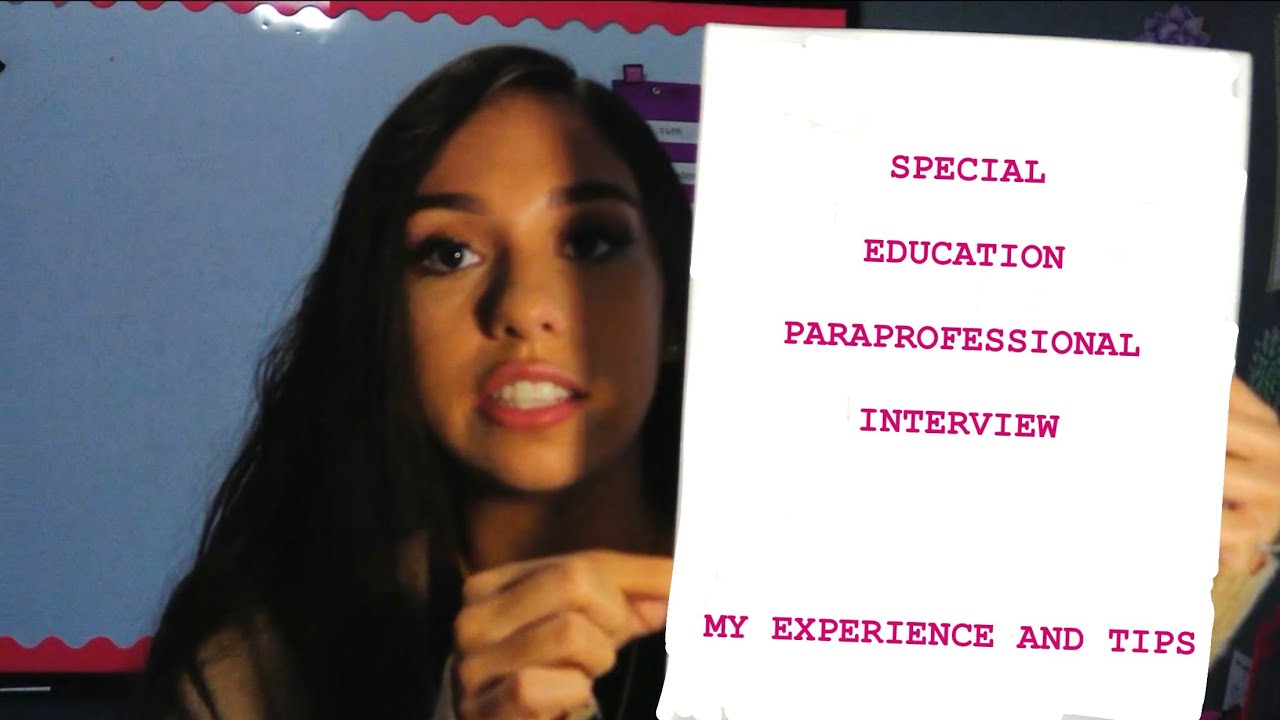
Teaching assistants and paraprofessionals often help bridge the two worlds by supporting individual students in general classrooms. See the role of a paraprofessional educator.
Benefits of Inclusion
- Students with disabilities gain access to the full curriculum.
- Social connections and friendships grow.
- Classmates develop empathy and respect for differences.
Challenges
Inclusion needs resources, training and time to plan. It is not just placing a child in a classroom without support.
Read More
See special education tips for general teachers and tips for working with special needs students.
Final Thoughts
Bridging special and general education means shared planning, co-teaching, inclusive lesson design and strong teamwork with families. With the right support, inclusion benefits every student.

