You open your book, read a few lines, and suddenly you are thinking about a cricket match, a message on your phone or what to eat for dinner. Twenty minutes later, you have read the same page three times.
Trouble concentrating is one of the most common study problems. The good news is that focus is a skill. With the right environment, habits and methods, almost anyone can improve it.
Here are 15 simple ways to concentrate on studies, grouped into your space, your mind, your body and your study methods.
Part 1: Fix Your Study Space
1. Choose One Study Spot
Study in the same place every day, if possible. Your brain starts to link that place with focus. Avoid studying on your bed, which your brain links with rest.
2. Keep Your Desk Clear
Keep only the book, notebook and pen you need. Clutter pulls your eyes and thoughts away.
3. Put Your Phone Away
Even a silent phone on the desk can tempt you. Put it in another room, turn on focus mode, or give it to a family member during study time.
4. Control Noise
Some students need silence; others like soft background sound. If your home is noisy, try earplugs, or study early in the morning when it is quiet.
Part 2: Prepare Your Mind
5. Set a Small, Clear Goal
“Study biology” is vague. “Learn the parts of a plant cell and draw the diagram” is clear. A specific goal gives your mind a target to focus on.
6. Start With a Quick Warm-Up
Spend two minutes reviewing yesterday’s notes before starting new work. This helps your mind “switch on”.
7. Write Down Distracting Thoughts
When a random thought pops up (“I need to call Rina”), write it on a sticky note and return to your work. You can deal with it later.
8. Do One Thing at a Time
Multitasking, like studying while chatting online, divides your attention and makes learning slower. Focus on one task until it is done.

Part 3: Look After Your Body
9. Sleep Well
Tiredness makes concentration very hard. Regular, good sleep helps attention and memory. The Sleep Foundation explains how sleep affects school performance.
10. Eat Regular, Balanced Meals
Skipping breakfast or eating lots of sugary snacks can leave you tired or restless. Eat balanced meals and keep water nearby.
11. Move Every Hour
Stand up, stretch or walk for a few minutes every hour. Physical movement refreshes your mind and helps you focus again.
Part 4: Use Better Study Methods
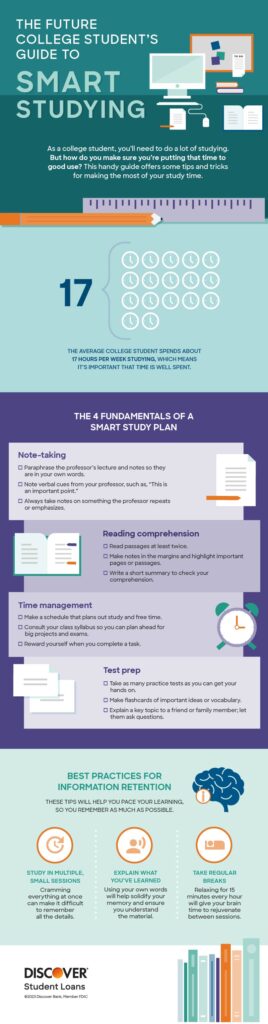
12. Study in Short Blocks
Work for 25 to 45 minutes, then take a 5 to 10 minute break. Short blocks are easier to focus on than long, endless sessions.
13. Make Studying Active
Passive reading lets your mind wander. Active methods keep it busy:
- Ask questions as you read and answer them
- Close the book and write what you remember
- Explain the topic aloud
- Draw diagrams and mind maps
- Solve practice questions
The Learning Scientists describe proven methods in their article on six strategies for effective learning. Wikipedia’s overview of study skills also lists many useful techniques.
14. Change Subjects
If your focus drops, switch to a different subject or type of task, such as moving from reading to problem-solving.
15. Reward Yourself
After finishing a goal, give yourself a small reward. This builds a positive link with focused work.

A Simple Focus Routine
- Clear your desk and put your phone away.
- Write one clear goal on paper.
- Set a timer for 30 minutes.
- Study actively until the timer rings.
- Take a 5-minute break away from screens.
- Repeat three or four times, then take a longer break.
What If You Still Cannot Concentrate?
Everyone has bad days. But if you have trouble concentrating almost all the time, and it affects school, sleep or mood, talk to a parent, teacher or doctor. Sometimes problems with focus are linked to stress, sleep problems, eyesight or other health issues that can be helped.
Common Mistakes
- Studying with social media open
- Trying to study for hours without breaks
- Studying when very tired or hungry
- Choosing very vague goals
- Re-reading without testing yourself
Frequently Asked Questions
How can I concentrate on studies at home?
Choose a fixed study spot, remove your phone, tell family members your study hours, and work in short focused blocks.
Does music help concentration?
It depends on the person and the task. Some students find quiet instrumental music helpful; songs with lyrics often distract from reading and writing.
How long can a student concentrate at one time?
It varies, but many students focus well for 25 to 50 minutes before needing a short break.
Conclusion
Concentration improves when you fix your space, prepare your mind, look after your body and use active study methods. Start with small changes, like putting your phone away and setting one clear goal, and build from there.
To keep going, read how to study for long hours without getting tired, discover how to enjoy studying, and learn ways to combat academic burnout.