Before big exams, many students need to study for long hours. But sitting at a desk for hours often leads to tiredness, boredom, headaches and very little learning.
The secret is not to force yourself to sit still longer. It is to study in a way that keeps your mind fresh: good planning, regular breaks, healthy habits and smart study methods.
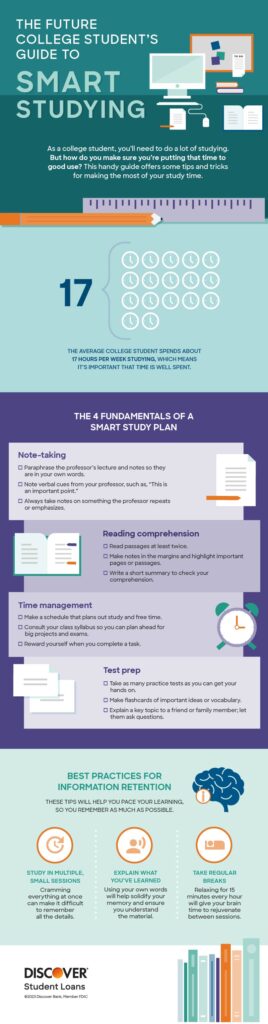
Here are 12 practical tips on how to study for long hours without burning out.
1. Set a Clear Goal for Each Session
Long hours feel endless when you have no target. Before you start, write down exactly what you want to finish, such as “Complete Chemistry Chapter 4 notes and solve 15 MCQs”. Clear goals keep you focused and give you a sense of progress.
2. Break Time Into Focused Blocks
Your attention naturally drops after a while. Instead of one long stretch, study in blocks of 25 to 50 minutes with short breaks in between. This keeps your concentration high across the whole day.
The Pomodoro Technique is a simple way to do this.
3. Take Real Breaks
A real break means stepping away from study and screens. Stand up, stretch, walk around, drink water, or look out of a window. Every two or three hours, take a longer break of 20 to 30 minutes, perhaps for a meal or a short walk.
4. Switch Between Subjects
Studying one subject for six hours can be draining. Mix different types of work: a theory subject, then maths problems, then language practice. Changing tasks gives your brain variety and helps you stay alert.
5. Study at Your Best Times
Some people focus best early in the morning; others prefer the afternoon or evening. Notice when you feel most alert and use that time for your hardest subjects. Keep easier tasks, like revising notes, for when your energy is lower.

6. Get Enough Sleep
Cutting sleep to study more often backfires. Sleep helps your brain store what you learned during the day. Harvard Health explains this in its article on sleep and memory, and a study of college students published on PMC found that better sleep quality, duration and consistency were linked with better academic performance.
Try to sleep and wake at regular times, even during exam season.
7. Eat and Drink Well
- Eat regular meals instead of skipping them.
- Choose foods that give steady energy, like rice with vegetables and lentils, eggs, fruit and nuts.
- Drink enough water; even mild dehydration can make you feel tired.
- Avoid heavy meals right before study sessions, as they can make you sleepy.
- Limit sugary snacks and energy drinks, which can lead to energy crashes.
8. Move Your Body
Short physical activity refreshes your mind. A 10-minute walk, some stretching or a few simple exercises between study blocks can help you feel more awake. Read more about the role of physical activity in academic performance.
9. Create a Good Study Space
- Sit at a table and chair, not on your bed.
- Use good light, ideally natural daylight.
- Keep the room fresh and not too warm.
- Keep only the materials you need on your desk.
Our guide to choosing the right study environment has more ideas.
10. Remove Distractions
Phones are the biggest distraction for most students. Put your phone in another room or use focus mode. Close unnecessary browser tabs. Tell family members your study hours so they can help you stay undisturbed.
11. Use Active Study Methods
Long hours of passive reading are tiring and not very effective. Active methods keep your brain engaged:
- Test yourself without looking at notes
- Solve practice questions
- Explain topics aloud
- Make mind maps and summaries

12. Reward Yourself and Rest
Plan small rewards after finishing big tasks: a favourite snack, a short chat with a friend, or an episode of a show. Also plan at least one lighter day each week. Rest is part of a sustainable study plan, not a waste of time.
A Sample Long Study Day
| Time | Activity |
|---|---|
| 6:30–7:00 | Wake up, light exercise, breakfast |
| 7:00–9:00 | Hardest subject (with a 5-minute break each hour) |
| 9:00–9:20 | Break: snack, walk |
| 9:20–11:20 | Second subject: practice questions |
| 11:20–12:30 | Language practice or reading |
| 12:30–2:30 | Lunch, rest, short nap if needed |
| 2:30–4:30 | Third subject: notes and self-testing |
| 4:30–5:30 | Outdoor break or exercise |
| 5:30–7:30 | Revision of earlier topics |
| 7:30–9:00 | Dinner and family time |
| 9:00–10:00 | Light review, plan tomorrow |
| 10:30 | Sleep |
This plan includes about eight hours of study with plenty of breaks. Adjust it to fit your school or college timetable.
Warning Signs You Need to Slow Down
- Constant headaches or eye strain
- Reading the same page again and again without understanding
- Feeling anxious, irritable or unable to sleep
- Losing interest in everything
If you notice these signs, take a proper break and talk to someone you trust. Health comes first.
Frequently Asked Questions
How many hours should a student study per day?
It depends on your level and goals. During exam preparation, many students study six to eight focused hours with breaks. Quality matters more than quantity.
Is it better to study at night or in the morning?
Both can work. The best time is when you feel alert and can study regularly without cutting sleep.
Does coffee help with long study hours?
A little caffeine may help some people feel alert, but too much can cause restlessness and poor sleep. Water, breaks and sleep are more reliable.
Conclusion
Studying for long hours is about working smart, not just sitting longer. Set clear goals, study in blocks, take real breaks, sleep well, eat well, move your body and use active methods. With these habits, you can study for longer and remember more.
The National Institutes of Health also explains why rest matters in its article Sleep On It.