
Describing words help us talk about people clearly. We use them in essays, stories, job applications, speaking tests and everyday conversation. Instead of saying someone is “nice” or “good”, the right word paints a clear picture.
Most describing words are adjectives. In this guide, they are grouped into appearance, personality, feelings, abilities and behaviour, so you can quickly find the word you need.
Each group includes simple meanings and example sentences.
Describing Words for Appearance
Height and Build
Tall, short, medium-height, slim, thin, skinny, slender, plump, chubby, stocky, muscular, well-built, broad-shouldered, petite, overweight.
- My brother is tall and slim.
- The wrestler is muscular and broad-shouldered.
Tip: Words like fat and skinny can sound rude. Polite choices are plump, slim or slender.
Face and Hair
Round-faced, oval-faced, freckled, bearded, clean-shaven, wrinkled, dimpled, curly-haired, straight-haired, wavy-haired, bald, fair, dark, tanned.
- Grandfather is bald and has a kind, wrinkled face.
- She has long, curly black hair.
General Appearance
Attractive, beautiful, handsome, pretty, good-looking, elegant, smart, neat, tidy, scruffy, untidy, stylish, plain.
- He always looks smart in his school uniform.
- The bride looked elegant in her red sari.
Positive Personality Words
- Kind – caring and helpful. Our neighbour is very kind.
- Honest – telling the truth. An honest shopkeeper returned my change.
- Generous – happy to give. She is generous with her time.
- Patient – able to wait calmly. A good teacher is patient.
- Hard-working – putting in lots of effort. Farmers are hard-working people.
- Reliable – someone you can trust to do things. He is a reliable friend.
- Cheerful – happy and positive. She is always cheerful in the morning.
- Brave – not afraid of danger. The brave girl saved the kitten.
- Confident – sure of yourself. He gave a confident speech.
- Polite – having good manners. The children were polite to the guests.
- Humble – not proud. Despite his success, he is humble.
- Responsible – doing your duties well. She is responsible for the class library.
- Thoughtful – thinking of others. What a thoughtful gift!
- Loyal – always supporting someone. A dog is a loyal companion.
- Optimistic – expecting good things. Stay optimistic about your results.
More: friendly, caring, gentle, sincere, cooperative, creative, curious, easygoing, enthusiastic, punctual, sensible, sociable, trustworthy, warm-hearted, wise.
Negative Personality Words
- Rude – not polite. It is rude to interrupt.
- Lazy – not wanting to work. He was too lazy to do his homework.
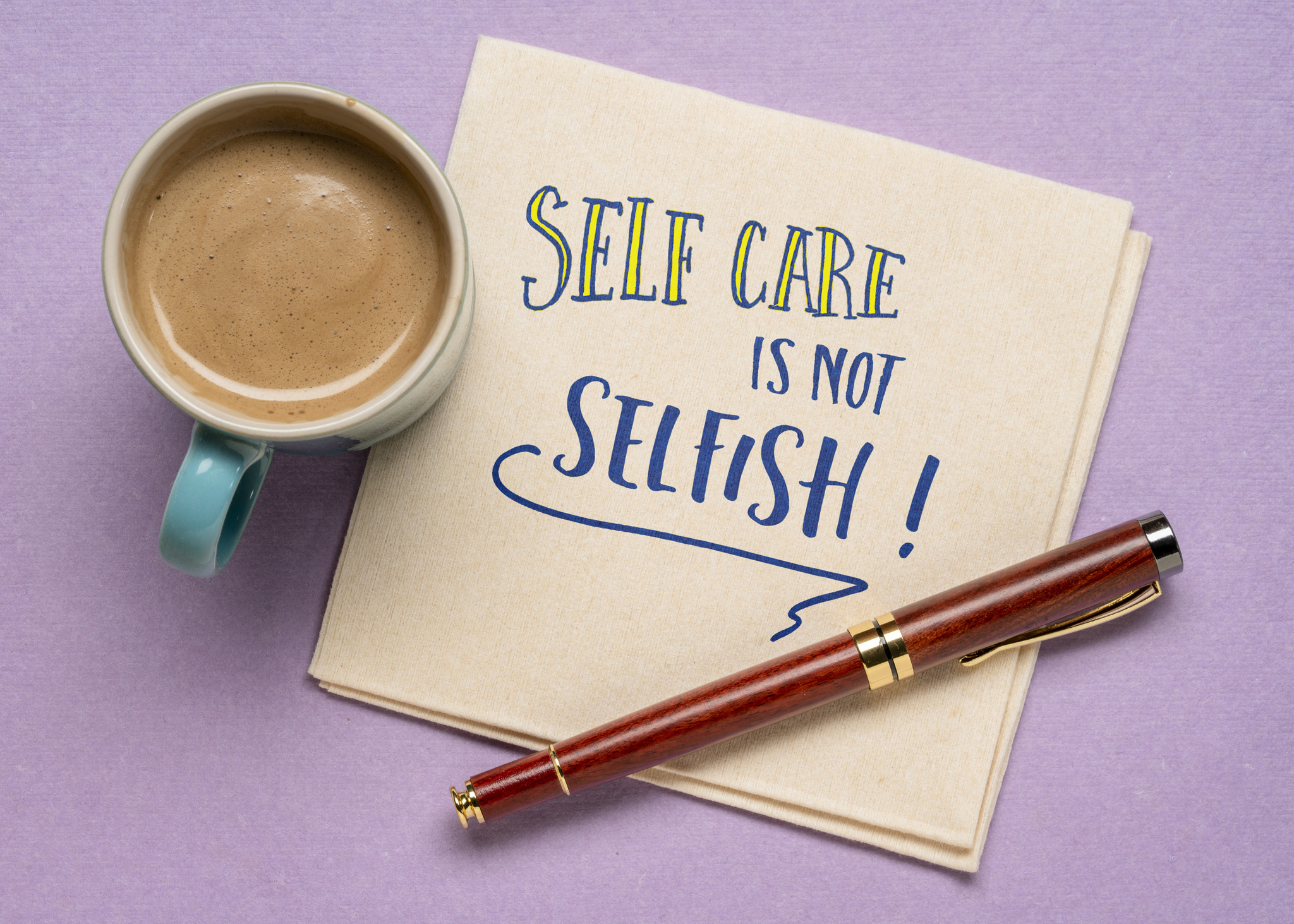
- Selfish – thinking only of yourself.
- Arrogant – thinking you are better than others.
- Dishonest – not telling the truth.
- Stubborn – refusing to change your mind.
- Impatient – unable to wait calmly.
- Moody – often changing feelings, especially becoming unhappy.
- Careless – not paying attention.
- Bossy – always telling others what to do.
More: jealous, greedy, mean, unreliable, cruel, aggressive, nosy, boastful, cowardly, irresponsible.
Tip: When you describe a real person in writing, choose words carefully and fairly. Instead of “lazy”, you might say “sometimes finds it hard to get started”.
Neutral Personality Words
Some words are neither positive nor negative. Their meaning depends on the situation.
Quiet, shy, serious, talkative, reserved, cautious, ambitious, sensitive, strict, competitive, independent, traditional.
- She is quiet in class but talkative with friends.
- He is ambitious and wants to start his own company.
Words to Describe Feelings
Happy, joyful, excited, proud, calm, relaxed, grateful, hopeful, sad, upset, angry, nervous, anxious, worried, scared, confused, bored, lonely, tired, embarrassed.
- I felt nervous before my exam.
- She was proud of her results.
Words to Describe Abilities and Intelligence
Intelligent, clever, bright, smart, brilliant, gifted, talented, skilled, knowledgeable, quick-witted, creative, imaginative, logical, practical, wise.
- She is a talented singer.
- He is very practical and can fix almost anything.
Words to Describe Age
Young, teenage, middle-aged, elderly, old, youthful, grown-up, in his twenties, in her forties.
Tip: Elderly is more polite than old when describing a person.
Words to Describe a Voice
Soft, loud, deep, high-pitched, husky, gentle, clear, calm, sharp, soothing.
The teacher has a calm, clear voice.
How to Put Describing Words Together
When you use more than one adjective, English follows a natural order: opinion, size, age, shape, colour, origin. So we say a kind old man, not an old kind man. The British Council explains this rule in its lesson on adjective order.
Adjectives can also come after verbs like be, look and seem: She seems friendly. The Cambridge Grammar guide to adjectives covers this in detail.
Example: Describing a Person in a Paragraph
My grandmother is a small, elderly woman with silver hair and a warm smile. She is kind, patient and very wise. Every evening she tells us stories about her childhood in the village. Although she is soft-spoken, everyone listens when she talks. She is also generous; she always shares whatever she has with neighbours. To me, she is the most caring person in our family.
Notice how it mixes appearance (small, elderly, silver hair), personality (kind, patient, wise, generous) and examples.
Tips for Learning These Words
- Describe five people you know using three words each.
- Learn opposite pairs: polite/rude, patient/impatient, honest/dishonest.
- Notice describing words in stories and write them down.
- Use a learner’s dictionary topic list, such as the Oxford list of personal qualities, to find new words.
Frequently Asked Questions
What are good words to describe a person?
Kind, honest, reliable, patient, generous, confident and hard-working are some of the most useful positive words.
What words describe a person’s character?
Character words describe personality, such as brave, loyal, humble, selfish or stubborn.
How can I describe someone without being rude?
Choose polite words like slim instead of skinny, and elderly instead of old. Focus on positive qualities when you can.
Conclusion
Describing words for a person can cover how someone looks, how they behave and how they feel. Learn them in groups, practise with people you know, and choose fair, polite words in your writing.
For more on using adjectives well, read using verbs and adjectives in English grammar, the most important parts of English grammar to focus on, and why good grammar matters.

