
In US colleges, general education (also called gen ed, core curriculum or distribution requirements) is a set of courses every student takes, whatever their major. These usually include English, maths, science, social science and humanities.
For a full-time student, gen ed courses usually take about one and a half to two years, though they are often spread across the whole degree. This guide explains how many credits gen ed involves, how long it takes, and how to finish it faster or more cheaply.
How Many Credits Is General Education?
Requirements vary by college, but gen ed often makes up roughly 30 to 60 credit hours of a typical 120-credit bachelor’s degree. Most classes are 3 credits, so that is about 10 to 20 courses.
How Long Does It Take?
| Study load | Credits per year | Time to finish 40 to 60 gen ed credits |
|---|---|---|
| Full-time (15 credits per term) | About 30 | About 1.5 to 2 years |
| Part-time (6 credits per term) | About 12 | About 3.5 to 5 years |
Many students mix gen ed and major courses each term, so gen ed may be spread over all four years.
Typical General Education Areas
- English composition: academic writing and research
- Mathematics: college algebra, statistics or similar
- Natural sciences: biology, chemistry, physics, often with a lab
- Social sciences: psychology, sociology, economics
- Humanities: history, philosophy, literature
- Arts: music, art, theatre
- Others: communication, diversity or global studies, foreign language
Why Colleges Require General Education
- to build broad knowledge and critical thinking
- to improve writing, maths and communication skills
- to help students explore before choosing a major
- to prepare graduates for a changing job market
For how gen ed fits into the wider US system, see the components of the US education system.
Ways to Finish Gen Ed Faster or Cheaper
- Advanced Placement (AP) or dual credit in high school, if your college accepts it.
- CLEP exams to test out of some courses.
- Community college for the first two years, then transfer.
- Summer or winter terms.
- Online courses from accredited institutions. Read what to know before starting an online degree.
Always check with your college that credits will transfer. In the US, you can check whether an institution is accredited using the Department of Education’s database of accredited institutions.
For International Students
Students from Bangladesh and other countries are often surprised by gen ed, as many systems specialise earlier. Some colleges may give credit for A levels or other qualifications. For free, official advice on US study, students in Bangladesh can contact EducationUSA Dhaka.
According to the National Center for Education Statistics, about 19 million students were enrolled in US colleges and universities in fall 2022.
Tips for Planning Gen Ed
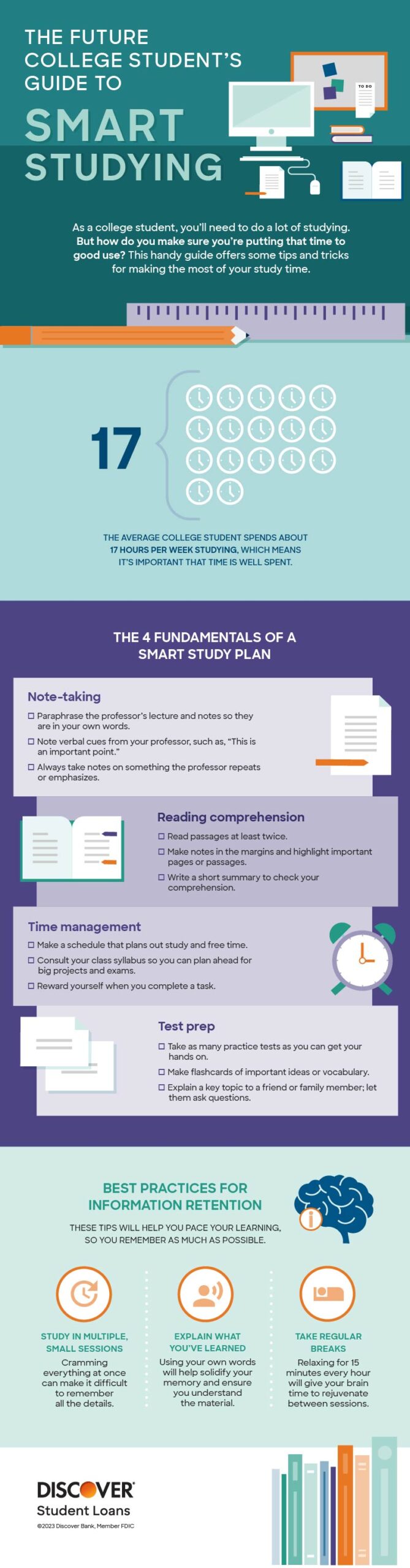
- read your college’s degree plan carefully
- choose gen ed courses that also count towards your major or minor
- use gen ed to explore possible majors
- meet your academic adviser every term
For all the options after school, see what is post-secondary education.
Frequently Asked Questions
Can I skip general education?
Not usually, but credits from AP, dual enrolment or CLEP may reduce how many courses you take.
Do community college gen ed credits transfer?
Often yes, especially within the same state. Check transfer agreements before enrolling.
Key Takeaways
- Gen ed is a set of required broad courses in US colleges.
- It is usually 30 to 60 credits and takes 1.5 to 2 years full-time.
- AP, CLEP and community college can save time and money.
- Check credit transfer and accreditation carefully.

