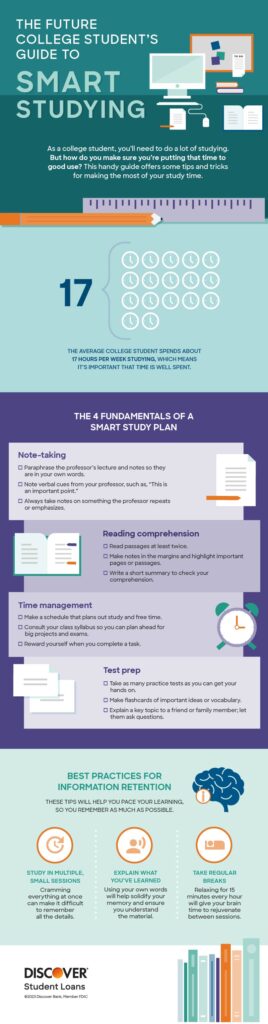
Students have a lot to read: textbooks, notes, articles and exam passages. Reading faster can save hours every week and help you finish reading comprehension questions on time.
But there is a catch. Many “speed reading” courses promise that you can read thousands of words a minute with full understanding. Research does not support those big claims. Reading much faster usually means understanding less.
This guide explains what the science says and gives you realistic, proven ways to increase your reading speed while still understanding what you read.
What Research Says About Speed Reading
A detailed review by reading scientists, summarised by the Association for Psychological Science, found that speed reading promises are too good to be true. There is a trade-off between speed and accuracy: when people read much faster than normal, comprehension usually drops.
The review also found that the biggest limit on reading speed is not how fast your eyes move, but how quickly you recognise words and understand language. So the best way to read faster is to become a stronger reader overall. Wikipedia’s article on speed reading summarises the debate.
What Is a Normal Reading Speed?
Reading speed is often measured in words per minute (wpm). Many adult readers read ordinary text in their first language somewhere around 200 to 300 wpm, though speed varies widely by person, text and purpose. Difficult textbooks, and reading in a second language, are naturally slower.
The goal is not to hit a magic number. It is to read at the right speed for your purpose.
Measure Your Current Speed
- Choose a page of normal difficulty.
- Set a timer for one minute and read normally.
- Count the words you read.
- Write three sentences about what you understood.
Repeat this every two weeks to track both speed and understanding.

10 Realistic Ways to Read Faster
1. Build Your Vocabulary
Every unknown word slows you down. The more words you know, the faster and more smoothly you read. Learn new words regularly and review them.
2. Read More, Every Day
Practice is the most reliable way to improve. Read books, newspapers and articles you enjoy for 15 to 20 minutes a day. Over months, word recognition becomes faster and automatic.
3. Set a Purpose Before Reading
Ask yourself: am I reading for the main idea, for a specific fact, or for deep understanding? Your purpose decides your speed.
4. Preview the Text
Before reading a chapter, look at the title, headings, pictures, bold words and summary. This gives you a map, so you read faster and understand more.
5. Skim for the Main Idea
Skimming means reading quickly to get the general idea. Read the first and last paragraphs and the first sentence of each paragraph. This is useful for newspapers and for previewing textbooks.
6. Scan for Specific Information
Scanning means moving your eyes quickly to find a specific detail, like a date, name or number. In exam comprehension, read the question first, then scan the passage for the answer.
7. Reduce Unnecessary Re-Reading
Some re-reading is useful, especially for hard ideas. But going back again and again out of habit slows you down. Try to keep moving forward, and mark tricky parts to return to later.
8. Read in Phrases
With practice, you can take in short groups of words, such as in the morning or at the end of the day, instead of single words. This happens naturally as your reading improves.
9. Remove Distractions
Phones, noise and tiredness slow reading more than anything. Read in a quiet place, and put your phone away. Our guide on how to concentrate on studies has more tips.
10. Practise Timed Reading
Once a week, read a passage with a timer, then answer questions. Try to read a little faster each time while keeping your answers correct.
Speed Depends on the Text
| Type of reading | Suggested approach |
|---|---|
| Newspaper or story for fun | Read quickly; skim parts that are less interesting |
| Textbook chapter | Preview first, then read carefully and take notes |
| Exam comprehension | Read questions first, skim passage, then scan for answers |
| Instructions or formulas | Read slowly and carefully; accuracy matters most |
Literacy expert Timothy Shanahan discusses why reading rate matters, and its limits, in his Reading Rockets post How Important Is Reading Rate?

Reading Faster in English as a Second Language
- Read easy texts first to build fluency, such as graded readers or children’s news.
- Do not stop for every unknown word; guess from context and check later.
- Read the same text twice: once for meaning, once more quickly.
- Listen to an audio version while reading to build word recognition.
Common Myths
- Myth: You can read 1,000+ words a minute with full understanding. Reality: Research does not support this for normal reading.
- Myth: Stopping your inner voice completely makes you read much faster. Reality: Inner speech is a normal part of reading and helps understanding.
- Myth: Speed reading apps are the best solution. Reality: Some apps limit your ability to look back, which can hurt comprehension.
Frequently Asked Questions
Can I really double my reading speed?
Many students can read noticeably faster with daily practice, better vocabulary and smart skimming. But very large increases usually come with lower comprehension.
Is skimming the same as speed reading?
Skimming is a useful skill for getting the main idea quickly. It is not the same as reading every word fast with full understanding.
How long does it take to improve reading speed?
With 15 to 20 minutes of daily reading, many students notice improvement within a few weeks to a few months.
Conclusion
The best way to increase reading speed is to become a stronger reader: build vocabulary, read every day, preview texts, skim and scan wisely, and remove distractions. Choose your speed based on your purpose, and always check your understanding.
Reading is only the first step. To remember what you read, use active recall and learn how to take efficient notes.