There is no single “right” way to learn English grammar. Some people learn best from books, others from listening, and others by talking. What matters most is choosing methods that suit you and practising regularly.
This guide explains the most effective ways to learn grammar, how to match methods to your learning style, the habits that make grammar stick, and the mistakes that slow learners down.
Proven Ways to Learn Grammar
1. Study a Clear Grammar Book
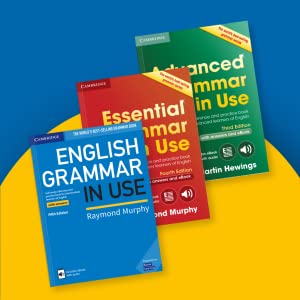
A good self-study book gives you short explanations and exercises. Choose one at your level and work through it steadily. For help choosing, see our guide to the Grammar in Use series.
2. Read Every Day
Reading shows grammar in real use. Newspapers, short stories and graded readers all help. Notice how writers use tenses, articles and linking words.
3. Listen Carefully
Podcasts, news and films help you hear natural grammar, especially in speech. Try repeating short sentences exactly as you hear them.
4. Write Regularly
Writing makes you choose grammar actively. Keep a short daily diary, write emails, or summarise what you read.
5. Speak and Get Feedback
Talk with friends, teachers or a speaking club. Ask them to note one or two mistakes you repeat.

Match Methods to Your Learning Style
| If you like… | Try… |
|---|---|
| Pictures and diagrams | Timelines for tenses, colour-coded notes, visual grammar books |
| Listening | Podcasts, audio lessons, reading sentences aloud |
| Doing and moving | Grammar games, flashcards, role-plays |
| Reading and writing | Grammar books, worksheets, writing practice |
| Working with others | Study groups, speaking partners, class quizzes |
Most people learn best with a mix of methods.
Habits That Make Grammar Stick
- Little and often: 20 minutes a day beats three hours once a week.
- Spaced review: revisit a topic after one day, one week and one month.
- Own examples: write sentences about your own life for every rule.
- Error notebook: record each mistake with the correct version.
- Use it soon: try new grammar in speech or writing the same day.
Mistakes That Slow You Down
- Memorising rules without practice. You need to use grammar, not just know it.
- Studying too many topics at once. Focus on one point until it feels easy.
- Fear of mistakes. Mistakes show you what to learn next.
- Translating word for word from your first language.
- Relying only on apps or grammar checkers.
For a step-by-step order of topics, follow our guide on how to learn English grammar step by step. To see which errors to fix first, read common grammar mistakes.
How Long Does It Take?
It depends on your starting level, how much time you study and how much English you use daily. Steady daily practice usually brings noticeable progress within a few months. Grammar is a skill that keeps improving the more you use it.
Free Resources
The British Council’s LearnEnglish grammar lessons are organised by level. Purdue OWL’s grammar guide explains rules for writers, and its grammar exercises let you test yourself.
Final Thoughts
Learn grammar with a good book, lots of reading and listening, and regular writing and speaking. Choose methods that suit you, practise a little every day, and treat mistakes as lessons. That is the most reliable way to learn English grammar.