
The Higher Secondary Certificate (HSC) exam is one of the most important tests in a Bangladeshi student’s life. Your HSC result affects university admission, scholarships and many future choices.
The syllabus is large and the pressure can feel heavy. But with a clear plan, steady daily work and smart revision, you can prepare well and walk into the exam hall with confidence.
This guide gives you a complete HSC exam preparation plan: how to organise your time, how to study each type of subject, how to practise, and how to look after your health along the way.
Understand the Exam First
Before you make a plan, know what you are preparing for:
- Your subjects and papers: list every paper for your group (Science, Business Studies or Humanities), including compulsory Bangla, English and ICT.
- The marks breakdown: know how many marks go to creative (CQ), MCQ and practical parts in each subject.
- The grading system: GPA is calculated on a 5.00 scale, and an A+ grade needs 80 marks or more out of 100 in a subject.
- Official notices: check your education board’s website for the routine, rules and centre lists. Dhaka Board, for example, posts updates in its HSC corner.
Step 1: Make a Realistic Study Timetable
A timetable turns a huge syllabus into small daily tasks.
- Count the weeks until your exam.
- List all chapters for each subject.
- Divide them across the weeks, giving more time to hard subjects.
- Keep the last four to six weeks for full revision and model tests.
- Plan one lighter day a week to catch up and rest.
Study the hardest subject when your mind is fresh, often early in the morning.
Step 2: Master the Textbooks
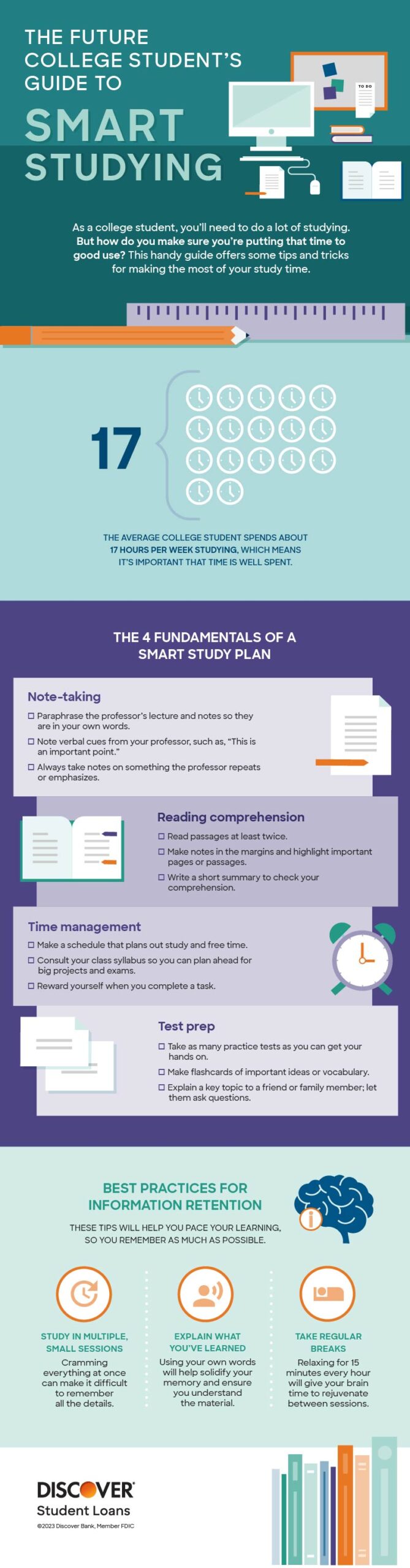
Most HSC questions come from the NCTB textbooks. Guidebooks can help with practice, but they should not replace the main books. Read each chapter carefully, mark key points and make short notes in your own words.
Step 3: Subject-Wise Strategy
Bangla and English
- Practise writing paragraphs, letters, applications, compositions and essays regularly.
- For English grammar, practise one topic a day, such as narration, voice, transformation and right form of verbs.
- Read the textbook passages several times so seen comprehension feels easy.
- Watch your handwriting, spelling and time.
Physics, Chemistry and Higher Mathematics
- Understand concepts first, then memorise formulas.
- Solve textbook maths problems and examples on paper, not just by reading.
- Make a formula sheet for each subject and review it daily.
- Practise numerical problems every day; speed comes from repetition.
Biology
- Draw and label diagrams many times until you can do them from memory.
- Use flowcharts for processes like respiration and photosynthesis.
- Learn scientific names and key terms with flashcards.
Business Studies and Humanities Subjects
- For accounting, practise full problems; neat format earns marks.
- For theory subjects, make point-wise notes and learn definitions exactly.
- Use real examples in creative answers where suitable.
ICT
- Practise number systems, logic gates and HTML or programming questions on paper.
- MCQs in ICT reward careful reading, so practise many.
Step 4: Practise Creative Questions and MCQs
Creative questions (CQ) test understanding, not just memory. For each CQ, practise answering all four parts: knowledge, comprehension, application and higher ability. Write full answers within the time limit.
For MCQs, practise in timed sets. Mark the questions you get wrong and go back to the chapter.
Step 5: Solve Previous Board Questions
Previous years’ board questions show patterns and common topics. Solve them under exam conditions: set a timer, put your phone away and write complete answers. Then check your work honestly and note weak areas.
Step 6: Revise Smartly
- Test yourself: close the book and write what you remember. This works better than re-reading.
- Spread revision out: review each chapter a day later, a week later and a month later.
- Teach a friend: explaining a topic is a great way to find gaps.
- Use short notes: in the final weeks, revise from your own summaries, not full books.

Step 7: Look After Your Health
Many students cut sleep before exams. This often backfires, because sleep helps the brain store what you learned. The Sleep Foundation explains how sleep affects school performance.
- Aim for regular sleep and wake-up times.
- Eat proper meals and drink enough water.
- Take short breaks every 45 to 60 minutes.
- Walk or stretch daily to reduce stress.
- Limit social media during study hours.
The Last Month Before the Exam
- Stop starting new topics; focus on revision.
- Take at least one full model test per subject.
- Revise formulas, diagrams, definitions and key dates daily.
- Prepare your admit card, registration card, pens, calculator and other items early.
- Visit your exam centre beforehand if you can.
Exam Day Tips
- Reach the centre early.
- Read all questions carefully before you start.
- Answer the questions you know best first.
- Watch the time and do not spend too long on one question.
- Keep your handwriting neat and number every answer clearly.
Frequently Asked Questions
How many hours should I study for HSC?
There is no fixed number. Many students study four to eight focused hours a day in the final months. Quality and consistency matter more than long, tired hours.
Is it possible to get GPA 5 with six months of study?
Many students improve a lot in six months with a clear plan and daily practice, but results depend on your starting point and effort.
Where can I check my HSC result?
Results are published on the official education board results website and through other official channels announced by the boards.
Conclusion
HSC exam preparation is a long journey, but you can manage it with a realistic timetable, strong textbook knowledge, regular practice and smart revision. Look after your sleep and health, and stay consistent every day.
For more help, read our guides on managing time during exams, how to study smartly for exams, and our SSC exam preparation guide if you have younger siblings preparing too.