A new school year brings excitement, and often some nerves, for both children and parents. Good preparation helps children start confidently and settle quickly.
Here are answers to the questions parents ask most, plus simple study habits to build from the first day.
Getting Ready
When should we start preparing?
About one to two weeks before school starts. Gradually move bedtime and wake-up times back to the school schedule, so the first morning is not a shock.
How can I help my child feel physically ready?
Make sure they get enough sleep, eat regular healthy meals and stay active. Children aged 6–12 need about 9–12 hours of sleep and teenagers 8–10, according to the CDC. Book any needed eye, dental or health checks before term begins.
What supplies do we need?
Check the school’s list. Involve your child in choosing a few items to build excitement, and label everything with their name.

Feelings and Worries
My child is nervous. What should I do?
Listen and accept their feelings. Talk about what will happen, visit the school or walk the route beforehand, and share positive stories about your own school days. Most nerves fade within the first weeks. If anxiety is severe or lasts, talk to the teacher or school counsellor.
How can I help a young child starting school for the first time?
Practise independence skills such as using the toilet, opening lunch boxes, putting on shoes and asking for help. Read picture books about starting school and keep goodbyes short and cheerful.
Routines and Homework
What routines help most?
- Pack the school bag and lay out clothes the night before.
- Set a regular homework time and place.
- Keep a family calendar for tests and events.
How much homework is normal?
A common guideline is about 10 minutes per grade level per night. Read our guide on how much homework is too much.
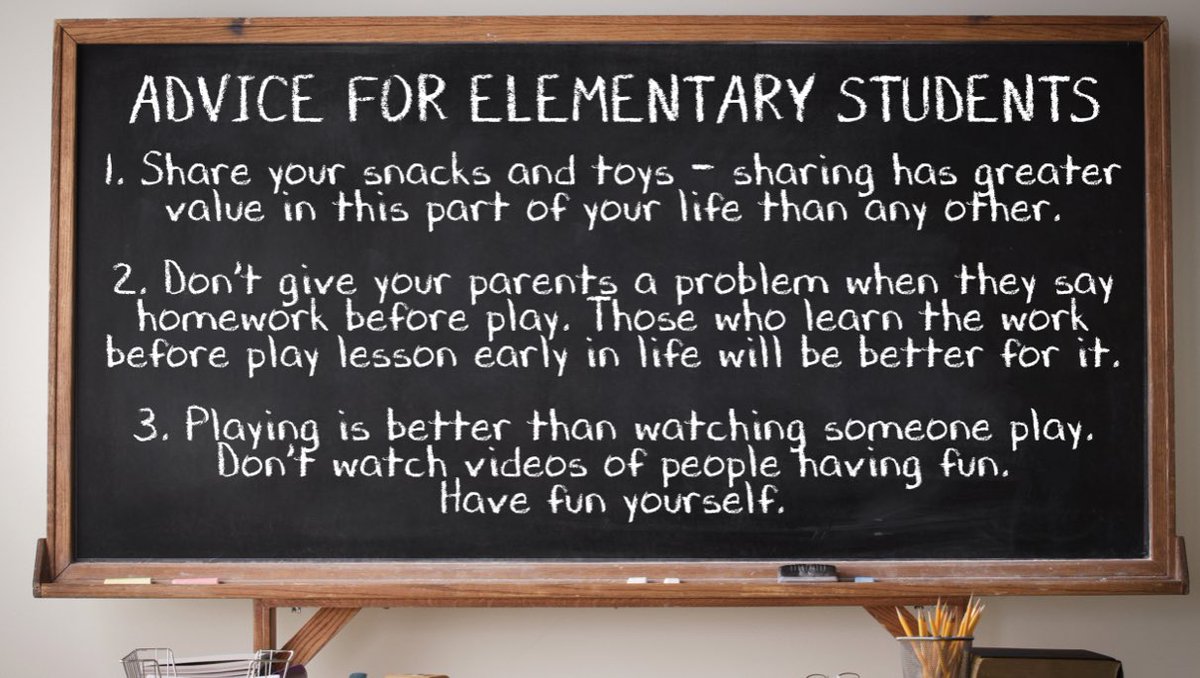
Study Habits to Build From Day One
- Daily review: 10 minutes looking over the day’s lessons.
- Self-testing: ask your child to tell you what they learned without notes. Research supports this; see UC San Diego on retrieval practice.
- Reading every day, for pleasure.
- Active play: the WHO recommends an average of 60 minutes of physical activity a day for children; see its guidelines.
Working With Teachers
Introduce yourself to the teacher, attend meetings and share any important information about your child’s needs or health.
Read More
See education tips for parents from teachers and building strong academic habits.
Final Thoughts
Prepare for the new school year by adjusting sleep, organising supplies, talking about feelings and setting routines. Build simple study habits from day one, and your child will start the year confidently.