
Secondary school introduces a much wider range of subjects than primary school. Some subjects are compulsory for everyone (core subjects). Others are chosen by students (electives or optional subjects). In upper secondary, many systems ask students to choose a stream, such as science, commerce or humanities.
Choosing subjects can feel stressful, because it may shape future study and career options. This guide explains the common core and elective subjects, how streams work, and a simple method for choosing well.
Core Subjects
Most secondary schools around the world teach these core subjects:
- Language and literature: English and/or the national language
- Mathematics
- Science: general science, or separate physics, chemistry and biology
- Social studies: history, geography and civics
- ICT or computer science
- Physical education and health
- Religious or moral education in many countries
Common Elective Subjects
| Area | Examples |
|---|---|
| Sciences | Higher maths, biology, statistics |
| Business | Accounting, business studies, economics |
| Humanities | Psychology, sociology, political science |
| Languages | Second or third languages |
| Arts | Fine art, music, drama, design |
| Technical and vocational | Agriculture, engineering drawing, home science |
Streams in Upper Secondary
In Bangladesh and India, students often choose a stream in Class 9 or Class 11:
- Science: physics, chemistry, biology and/or higher maths. Leads to medicine, engineering and science degrees.
- Commerce or business studies: accounting, finance, business. Leads to business, economics and finance careers.
- Humanities or arts: history, geography, civics, economics, languages. Leads to law, media, social sciences and many other fields.
India’s National Education Policy 2020 calls for more flexibility and student choice in secondary subjects, with less rigid separation between streams. For one example of a board’s structure, see our guide to the Central Board of Secondary Education.
How to Choose Your Subjects
1. Think about what you enjoy
You will study these subjects for years. Enjoyment helps you work hard and do well.
2. Look at your strengths
Check your marks and teacher feedback. Which subjects do you understand most easily?
3. Check future requirements
Some university courses and careers need specific subjects. For example, medicine usually requires biology and chemistry.
4. Keep options open if unsure
Maths and science subjects often keep the most doors open. A balanced mix helps if you have not decided on a career.
5. Do not just follow friends
Your friends’ interests may not be yours.
6. Talk to people
Ask teachers, counsellors, parents and older students for advice.
Do Not Let Stereotypes Decide
Girls and boys should feel free to choose any subject. UNESCO reports that women make up only about 35% of STEM graduates worldwide, partly because of stereotypes that discourage girls in maths and science.
Exams and Changes Ahead
Exam systems are also changing. For example, India’s CBSE introduced two Class 10 board exam opportunities a year from 2026, with the second optional for improving scores.

Tips for Success in Any Subject
- use active study methods such as self-testing
- keep up with homework every week
- ask for help early when stuck
- link subjects to real life and future goals
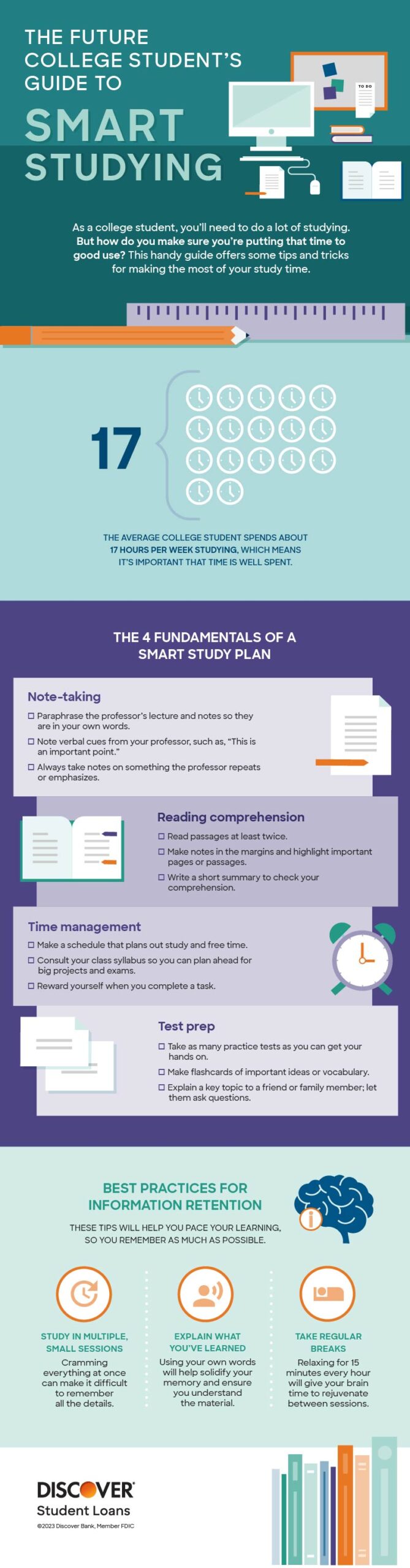
See our guide on how to study smart in high school. For why these years matter, read the importance of secondary education.
Frequently Asked Questions
Can I change my stream later?
It depends on the school and board. Changes are often possible early on but get harder later. Ask your school.
Which stream is best?
There is no best stream for everyone. The best choice fits your interests, strengths and goals.
Key Takeaways
- Secondary schools teach core subjects plus electives.
- Upper secondary often involves choosing a stream.
- Choose based on interests, strengths and future requirements.
- Do not let stereotypes or friends decide for you.

