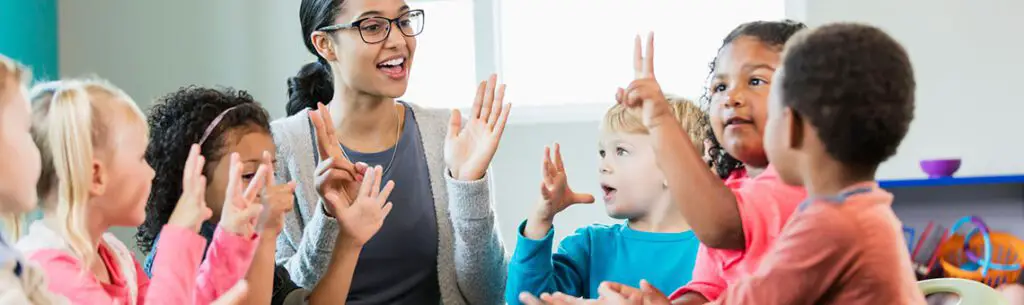
For a child, education is much more than going to school. It is how they learn to read and count, make friends, solve problems, understand the world and discover what they are good at. It also protects them and opens doors for the rest of their life.
This guide explains why education is important for a child, the rights every child has to education, and what parents can do to help.
Education Starts Before School
A child’s brain develops fastest in the first years of life. Harvard’s Center on the Developing Child explains how everyday back-and-forth interactions with caring adults build the foundations for learning. Talking, singing, reading and play at home are a child’s first education.
Early learning programmes also make a difference. UNICEF found that children who attended at least one year of pre-primary education were more than twice as likely to be on track in early literacy and numeracy. Read more in why early childhood education is important.
Why Education Matters for a Child
1. Basic skills for life
Reading, writing and maths are needed for almost everything, from reading a bus sign to managing money.
2. Thinking and curiosity
School teaches children to ask questions, think critically and solve problems.
3. Social and emotional growth
Children learn to share, cooperate, handle feelings and build friendships.
4. Health and safety
Children learn about hygiene, nutrition and safety. School can also protect them from child labour and early marriage.
5. Discovering talents
Through subjects, sports, music and art, children find out what they love and are good at.
6. Future opportunities
Education leads to further study, better jobs and more choices in life.
Every Child Has a Right to Education
The UN Convention on the Rights of the Child recognises every child’s right to education. It says primary education should be compulsory and free, and that secondary education should be available and accessible to every child. UNICEF explains the Convention on the Rights of the Child in simple terms.
The Convention also says education should develop the child’s personality, talents and abilities to their fullest, and teach respect for human rights, their own culture and others.
We discuss this right in more detail in why every child should have an education.
What Parents Can Do
In the early years
- Talk, sing and read with your child every day.
- Give time for free play, indoors and outdoors.
- Keep regular routines for sleep and meals.
In primary school
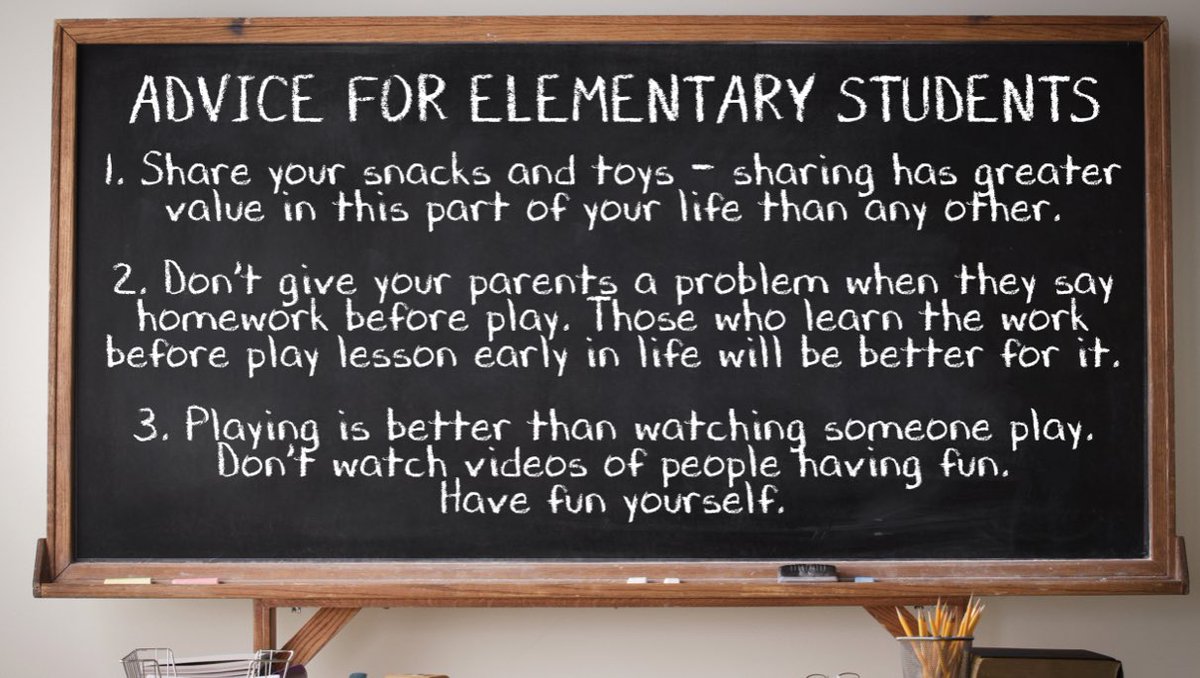
- Set a daily homework and reading time.
- Meet the teacher and attend parent meetings.
- Praise effort, not just marks.
In secondary school
- Talk about goals and careers.
- Support exam preparation without adding pressure.
- Help find scholarships and courses.
Choosing the Right Education
Every child is different. For help choosing schools and learning approaches, read what is the best education for a child.
Frequently Asked Questions
At what age does education start?
Learning starts at birth. Formal schooling usually starts between ages 5 and 7, depending on the country.
Is school the only place children learn?
No. Children learn at home, in the community and through play. School adds structure, trained teachers and friends.
What if my child struggles at school?
Talk to the teacher early. Many difficulties can be helped with extra support, changes at home or specialist help.
Key Takeaways
- Education gives children basic skills, thinking skills and social skills.
- It protects their health and safety and opens future opportunities.
- Every child has a right to education.
- Parents play a vital role at every stage.