
Planning for a child’s education is not only about money. It is also about choosing the right schools, supporting learning at home, building good habits and helping your child discover what they love.
Every family’s plan will look different. But a simple roadmap, stage by stage, can help you make good decisions at the right time instead of rushing at the last minute.
This guide gives you that roadmap, from birth to university, with a checklist for each stage.
The Four Parts of an Education Plan
- Learning at home: talk, reading, play and routines.
- School choices: preschool, primary, secondary and beyond.
- Money: saving for fees and other costs.
- Health and wellbeing: sleep, food, activity and emotional support.
Stage 1: Birth to Age 3
The early years build the base for all later learning. Harvard’s Center on the Developing Child explains how everyday back-and-forth interactions build a child’s brain.
Checklist:
- Talk, sing and read to your baby every day.
- Keep up with health check-ups and vaccines.
- Start an education savings plan if you can. Our guide on how to choose the best child education plan explains the options.
- Get your child’s birth certificate and key documents in order.
Stage 2: Ages 3 to 5 (Preschool)
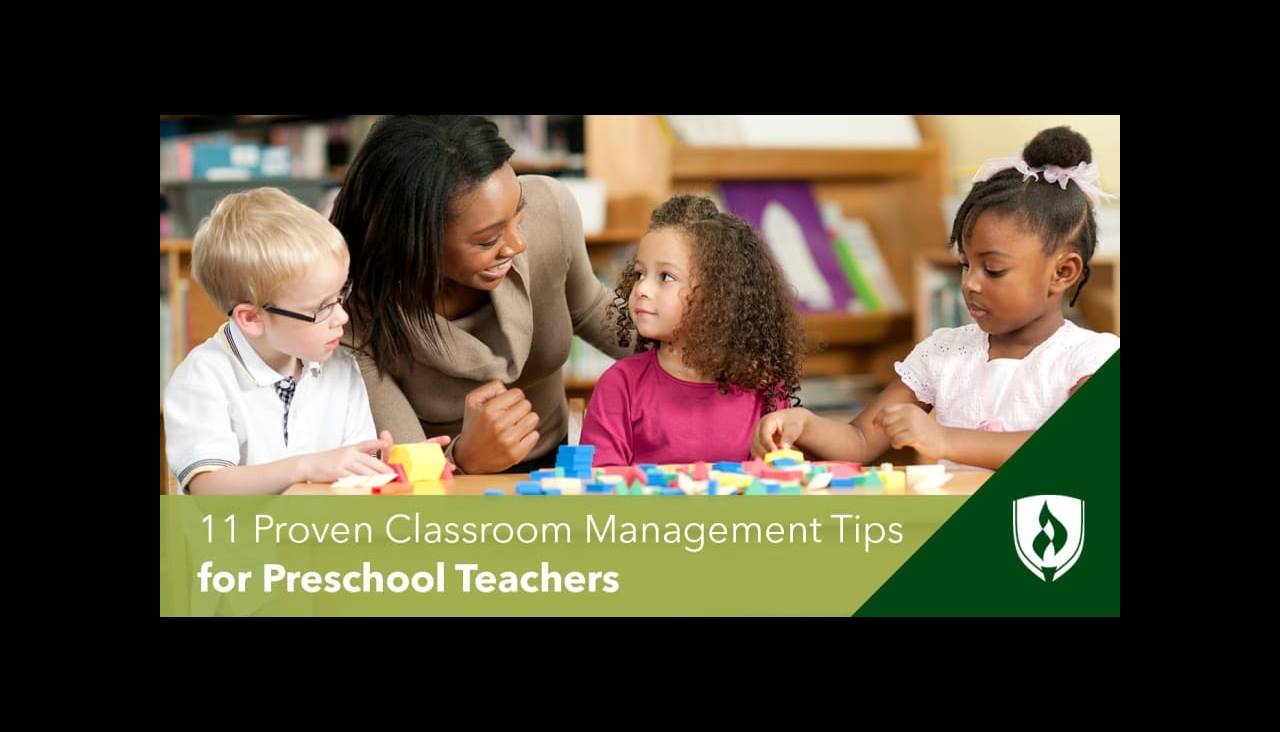
UNICEF stresses that early childhood development is a key driver of later progress. A good preschool or early learning centre can help.
Checklist:
- Visit a few preschools or early learning centres. Our checklist for choosing an early childhood education centre can help.
- Build simple routines for sleep, meals and play.
- Practise colours, shapes, numbers and letters through games.
- Encourage independence, such as dressing and tidying up.
Stage 3: Ages 6 to 10 (Primary School)
Checklist:
- Choose a school based on teaching quality, safety, distance and cost.
- Set a daily reading and homework routine.
- Meet the teacher at the start of each year.
- Watch for signs of learning difficulties, eyesight or hearing problems.
- Encourage hobbies like sport, art, music or reading clubs.
- Review your savings each year.
Before each new year, see our guide on preparing your child for the new school year.
Stage 4: Ages 11 to 14 (Lower Secondary)
Checklist:
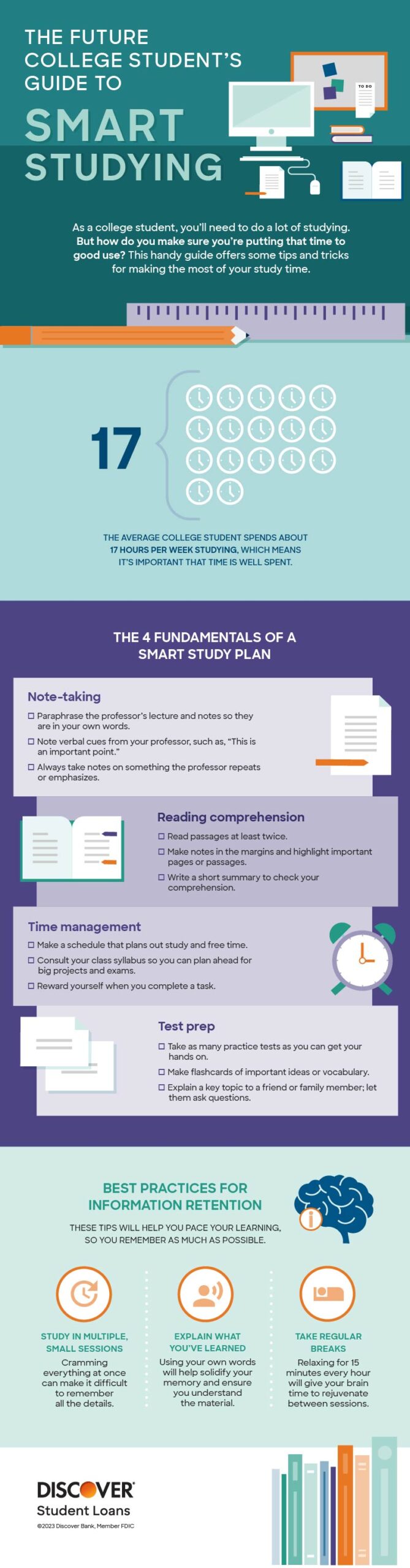
- Help your child build study skills and time management.
- Talk about interests and possible careers.
- Notice which subjects they enjoy and do well in.
- Keep screen time and sleep balanced.
- Keep talking. Teens still need guidance, even when they want independence.
Stage 5: Ages 15 to 18 (Upper Secondary)
Checklist:
- Choose subjects or streams with future plans in mind.
- Plan for key exams such as SSC and HSC, or their equivalents.
- Research universities, colleges and vocational options.
- Look for scholarships and note deadlines.
- Prepare for any entrance tests or language tests.
- Move education savings into safer options as the goal gets close.
Stage 6: University and Beyond
Checklist:
- Compare total costs: fees, housing, food, travel and books.
- Apply for financial aid, scholarships and part-time work.
- Help your child make a simple monthly budget.
- Stay in touch and support their wellbeing.
Planning the Money Side
A few simple principles help:
- Start early. Investor.gov explains how compounding helps savings grow over time.
- Save regularly. Even small monthly amounts add up.
- Keep it separate. Use a dedicated account for education.
- Protect the plan. Keep an emergency fund and consider life insurance.
This is general information, not financial advice. Talk to a licensed adviser about products in your country.
Choosing the Right Type of School
| Option | Strengths | Things to check |
|---|---|---|
| Government school | Low or no fees, often close to home | Class sizes, teacher numbers, facilities |
| Private school | Smaller classes, more activities in some | Fees, hidden costs, teacher quality |
| English-medium or international | English skills, international exams | High fees, fit with your long-term plans |
| Madrasa or faith-based school | Religious and moral education | Range of subjects, recognised certificates |
| Homeschooling | Flexible, personal pace | Parent time, recognised exams, social contact |
Frequently Asked Questions
When should I start planning?
Ideally at birth, or even before. But it is never too late to make a plan.
Should I plan my child’s career?
Guide, but do not decide for them. Help them explore interests and keep options open.
What if my plan changes?
That is normal. Review your plan every year and adjust as your child grows.
Key Takeaways
- An education plan covers home learning, school, money and wellbeing.
- Each stage, from birth to university, has its own priorities.
- Start saving early and review every year.
- Let your child’s interests guide later choices.

