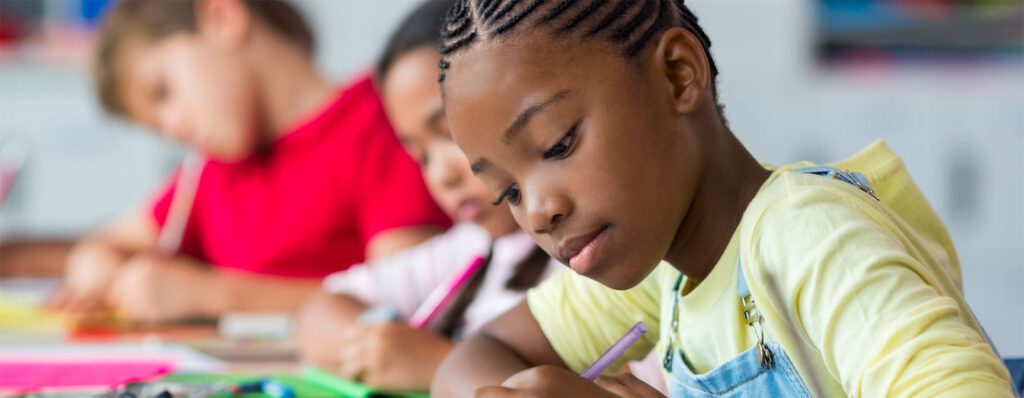
Child study is the careful, systematic observation and study of children: how they grow, behave, think and learn. In education, it helps teachers understand each child as an individual, so they can plan teaching that fits the child’s needs, interests and stage of development.
Child study is a core topic in many teacher training courses, including B.Ed. and diploma programmes. This guide explains what it means, its main methods, and how teachers use it in the classroom.
A Short History
The child study movement grew in the late 19th century. Psychologist G. Stanley Hall in the United States encouraged teachers and parents to observe and record how children develop. Later thinkers such as Jean Piaget, who studied how children’s thinking develops, and Maria Montessori, who built her method on close observation of children, carried these ideas forward.
Why Child Study Matters in Education
- Knowing each child: strengths, difficulties, interests and learning style.
- Planning suitable lessons at the right level.
- Spotting problems early, such as learning difficulties, health issues or emotional distress.
- Guiding behaviour by understanding its causes.
- Working with parents using clear evidence.
For the wider picture, read the importance of child development for teachers.
Methods of Child Study
1. Observation
Watching children during lessons, play and breaks. Observation can be naturalistic (in normal settings) or structured (with a set task).
2. Anecdotal records
Short written notes describing a specific event: what happened, when and how the child responded.
3. Checklists and rating scales
Lists of skills or behaviours ticked off or rated. The US Centers for Disease Control and Prevention publishes free developmental milestone checklists for young children.
4. Case study
An in-depth study of one child over time, using several sources: observation, work samples, interviews and records.
5. Interviews and conversations
Talking with the child, parents and other teachers.
6. Work samples and portfolios
Collecting drawings, writing and projects to see progress over time.
7. Tests and assessments
Standardised or teacher-made tests, used carefully alongside other evidence.
Areas Studied
| Area | What to look at |
|---|---|
| Physical | Growth, health, motor skills, senses |
| Cognitive | Thinking, memory, problem-solving, attention |
| Language | Speaking, listening, reading, writing |
| Social | Friendships, cooperation, group behaviour |
| Emotional | Feelings, confidence, coping skills |
For simple explanations of these areas, see the 4 types of child development.
Good Practice in Child Study
- Be objective: record what you see, not your opinion.
- Use several methods rather than relying on one.
- Observe over time, not just once.
- Respect privacy: keep records confidential.
- Avoid labels: focus on needs and next steps.
- Use findings to adjust teaching.
From Study to Action
Child study should lead to better teaching. For example, if observation shows a child learns best by doing, a teacher might add more hands-on tasks. The Universal Design for Learning guidelines offer ideas for giving learners different ways to engage, learn and show what they know.
Child study also helps identify children who need special support, including gifted learners. Read who is a gifted child in education.
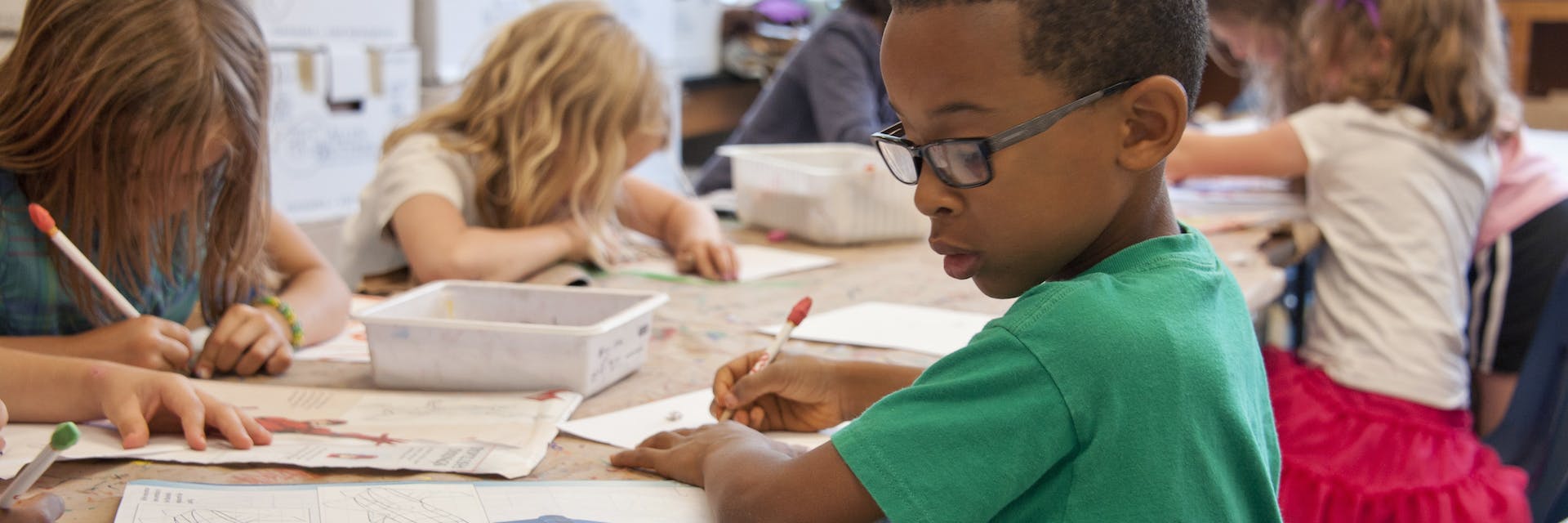
Child Study and Brain Development
Modern research adds to classic child study. Harvard’s Center on the Developing Child explains how responsive relationships shape the developing brain, reminding teachers that how they interact with children matters as much as what they teach.
Frequently Asked Questions
Is child study the same as child psychology?
They overlap. Child psychology is a broader science; child study in education focuses on understanding children to improve teaching.
Who carries out child study?
Teachers, parents, school counsellors and psychologists can all contribute.
Key Takeaways
- Child study is the systematic observation and study of children.
- Methods include observation, records, checklists, case studies and portfolios.
- It helps teachers plan, support and include every child.
- Good child study is objective, ethical and leads to action.

