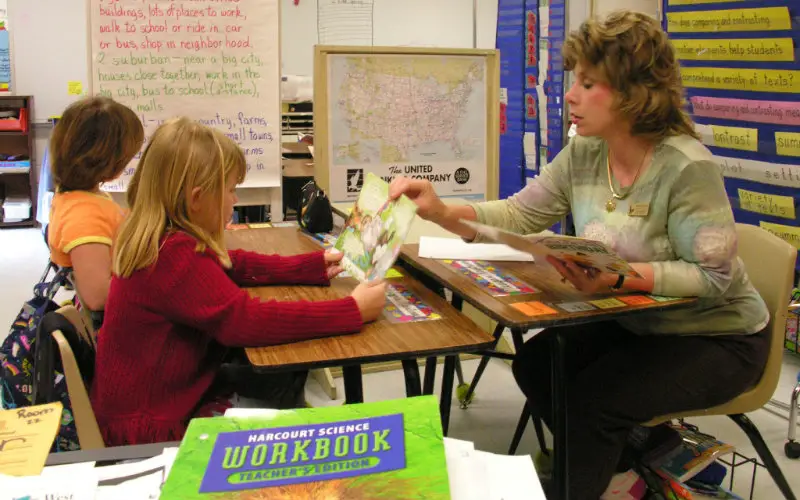
In special education programmes, paraprofessionals often spend more time with individual students than anyone else in the school. They help students with disabilities access learning, follow their support plans and build independence.
This guide explains the paraprofessional’s role in special education, what they do and do not do, and how they work with teachers and families. For an overview of the job, see what a paraprofessional educator is.
Key Responsibilities
- Supporting IEP goals: carrying out activities planned by the special education teacher.
- Providing accommodations: reading aloud, scribing, extra time, breaks.
- Behaviour support: following the student’s behaviour plan consistently.
- Personal care where needed, with dignity and privacy.
- Data collection: recording progress and behaviour for the teacher.
The Legal Framework (USA)
Under the Individuals with Disabilities Education Act (IDEA), eligible students receive an Individualized Education Program (IEP). Paraprofessionals help deliver services under the supervision of qualified teachers. See the US Department of Education’s IDEA page. Other countries have their own frameworks.
What Paraprofessionals Usually Do Not Do
- Design the IEP or change goals.
- Introduce new content without the teacher’s plan.
- Make diagnoses or share confidential information.
Avoiding Over-Dependence
One risk of one-to-one support is that students become too dependent on the adult. Good practice includes:
- Fading prompts gradually.
- Encouraging peer interaction.
- Stepping back when the student can work alone.
Working With the Team
- Meet regularly with the special education teacher.
- Understand each student’s plan; the NEA’s affiliate offers a paraeducator’s guide to IEP programmes.
- Share observations with families through agreed channels.
Useful Strategies
Reading Rockets explains accommodations vs modifications, which every paraprofessional should understand. See also our tips for working with special needs students and the value of paraprofessionals for students with disabilities.
Final Thoughts
In special education, paraprofessionals deliver support, accommodations and behaviour plans under the teacher’s direction. Their best work builds students’ independence, not dependence.

